16 Rock Landscaping Ideas to Structure to Your Outdoor Space
Rock landscaping tends to work across a wide range of garden styles — from spare, minimalist yards to more planted spaces where stones anchor the design. It suits slopes, courtyard corners, and front yard borders across a range of garden styles.
That said, stone is a significant material to work with. It’s heavy, often costly to source, and relatively permanent once it’s in place. The ideas below are worth thinking through carefully before committing — but they’re also among the more rewarding changes you can make to an outdoor space.
1. Japanese-Inspired Rock Gardens
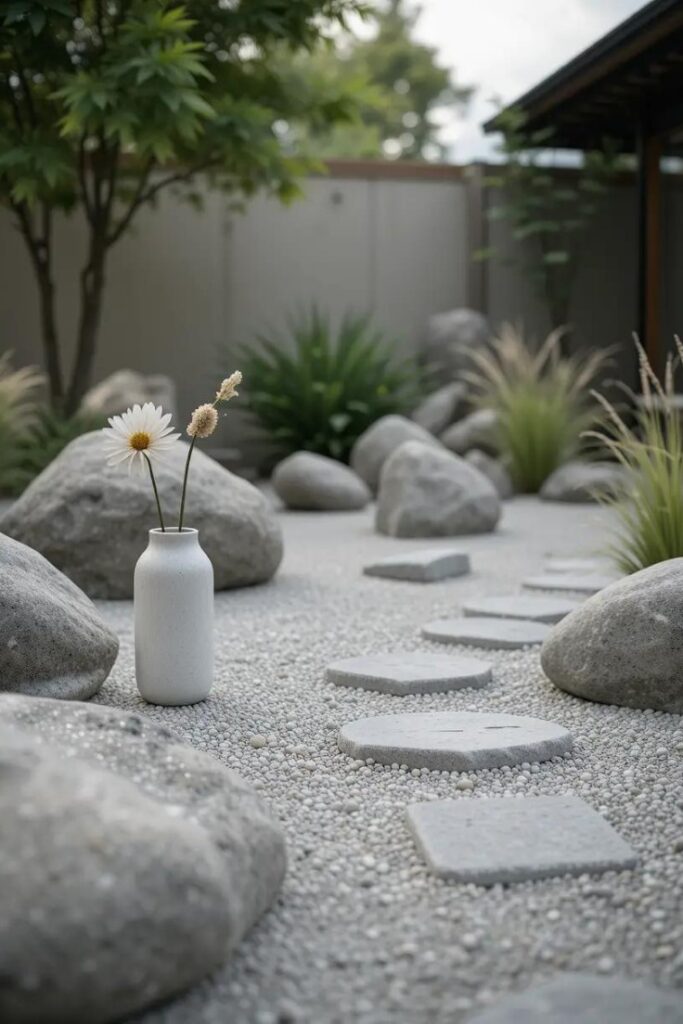
A Japanese-style rock garden works through restraint. Larger stones are placed with intention among finer gravel, sometimes raked into patterns that suggest movement. This approach suits compact yards or enclosed courtyards where a busier planting scheme might feel overwhelming. The key is selecting stones of varied sizes and resisting the urge to fill every gap.
2. Dry Creek Beds for Drainage and Design
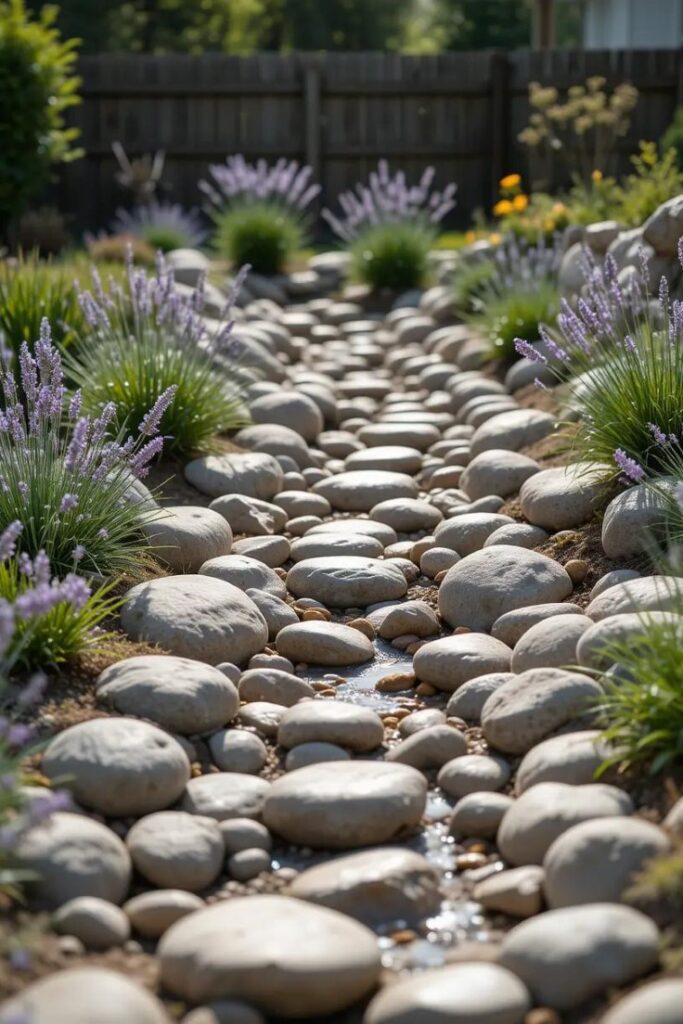
A dry creek bed channels water during heavy rain while reading as a decorative feature the rest of the time. The construction uses graduated stone sizes — larger rocks along the edges, medium stones through the center, smaller pebbles filling the gaps. The effect is most convincing when the bed follows a gently curving path rather than a straight line.
3. Terraced Rock Walls on Sloped Ground
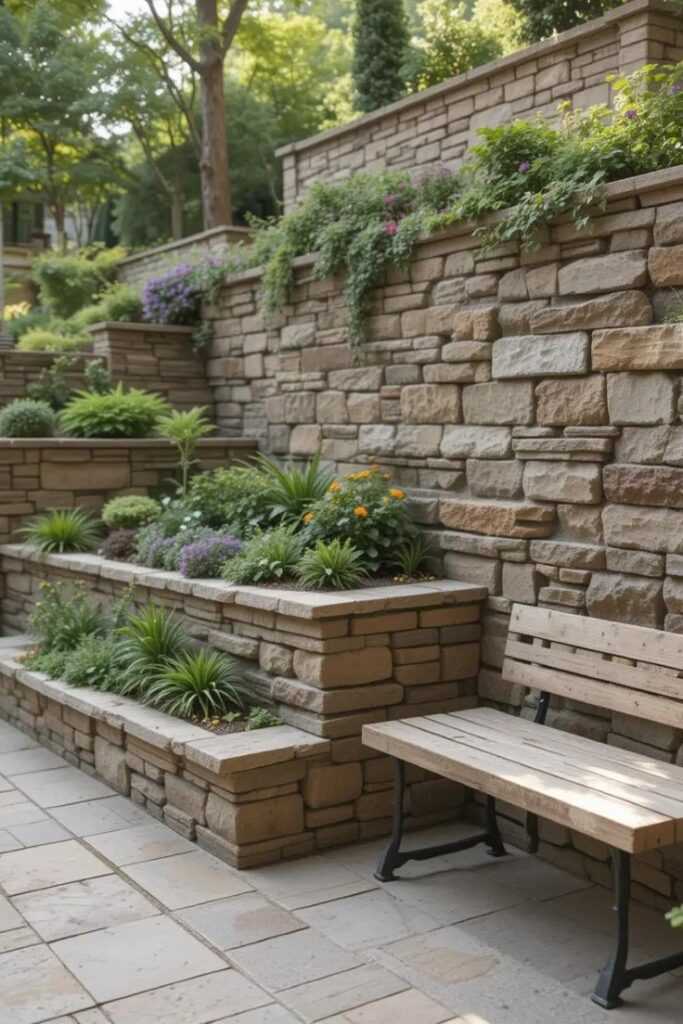
Terraced rock walls are a well-established way to address sloped ground. By stepping the terrain into defined levels, you create usable flat planting spaces and reduce soil erosion. Dry-stacked walls suit informal garden styles; mortared construction reads as more formal. Allowing plants to spill over the edges softens what can otherwise feel like a hard intervention.
Also Read: 14 Garden Walkway Ideas to Transform Your Outdoor Space
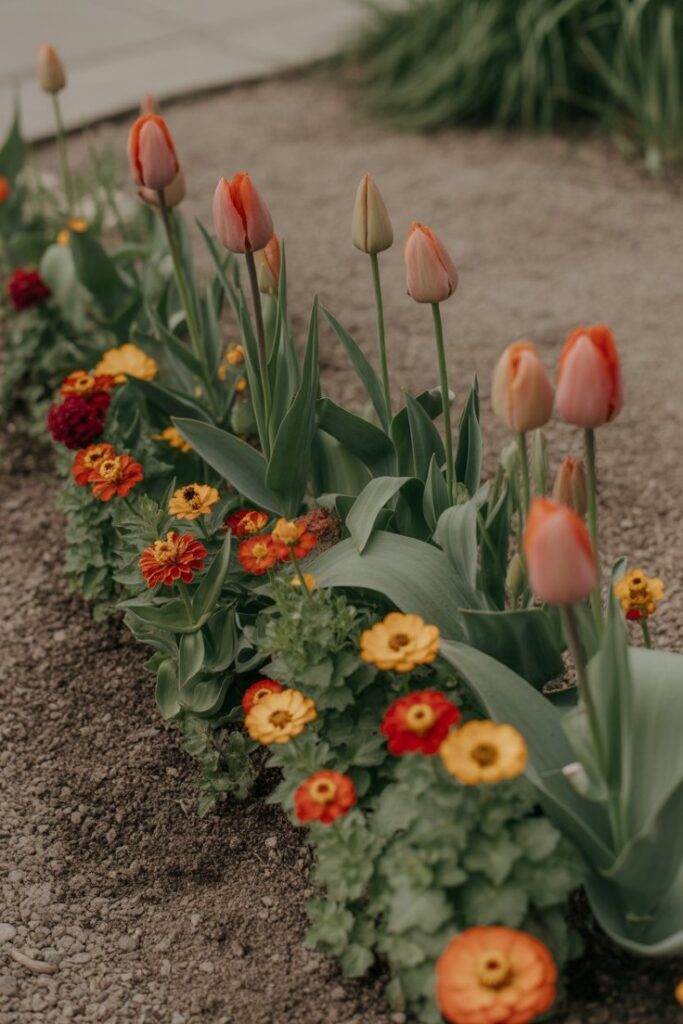
4. Rock Border Edging for Garden Beds
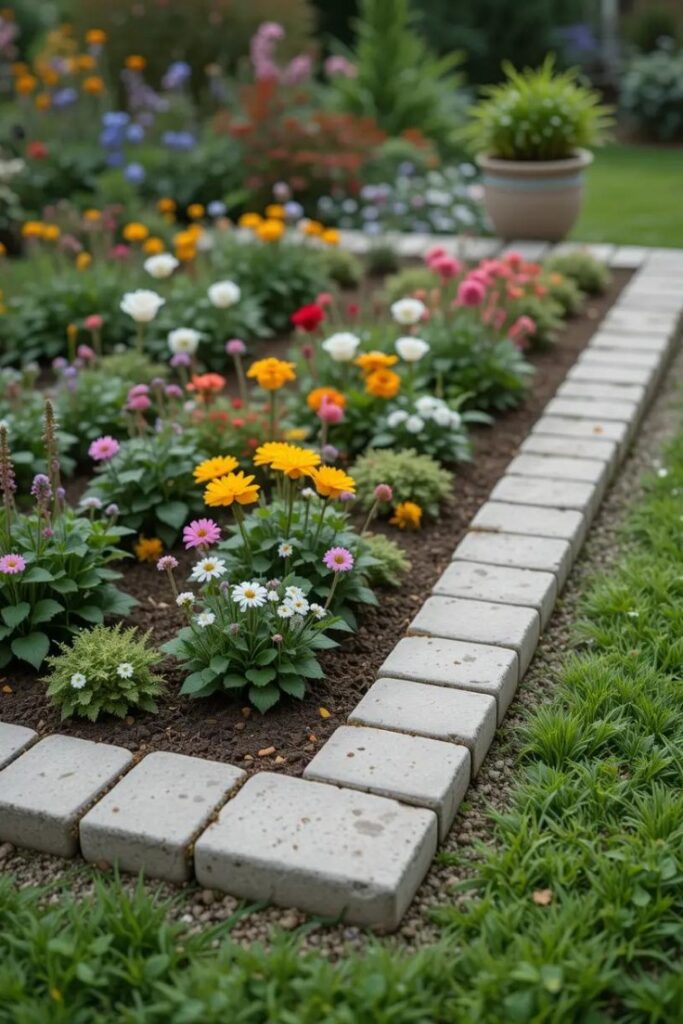
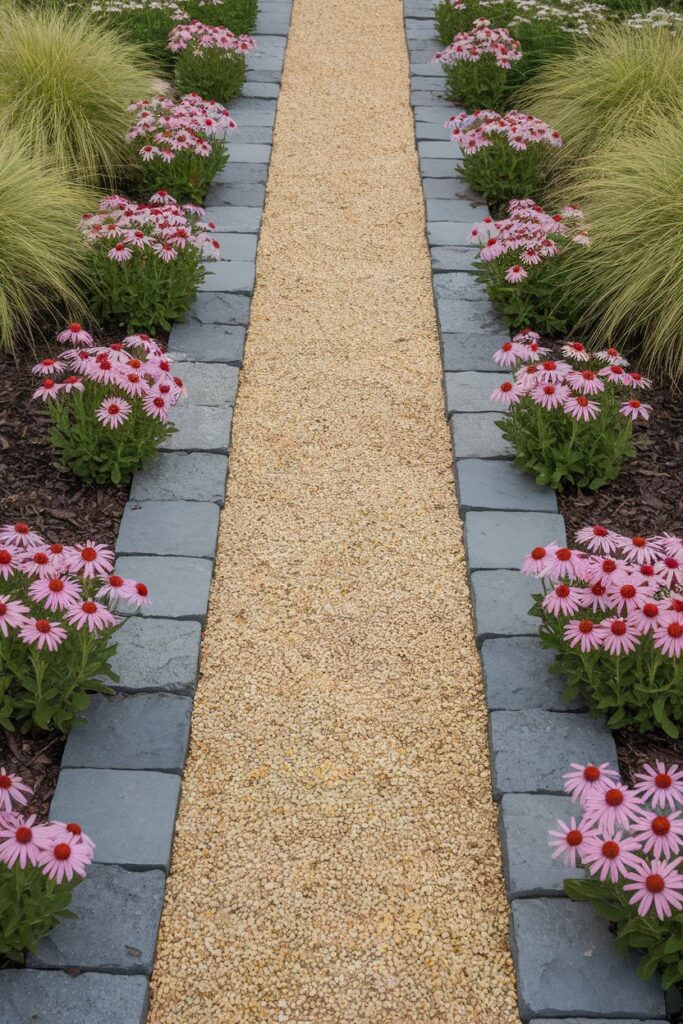
Stone edging is one of the simpler rock landscaping ideas to execute and one of the more immediate in its effect. A clean line of cobblestones or river rocks between lawn and planting bed adds definition without demanding much from the surrounding design. The stone choice should ideally echo materials used elsewhere in the garden to avoid a disjointed look.
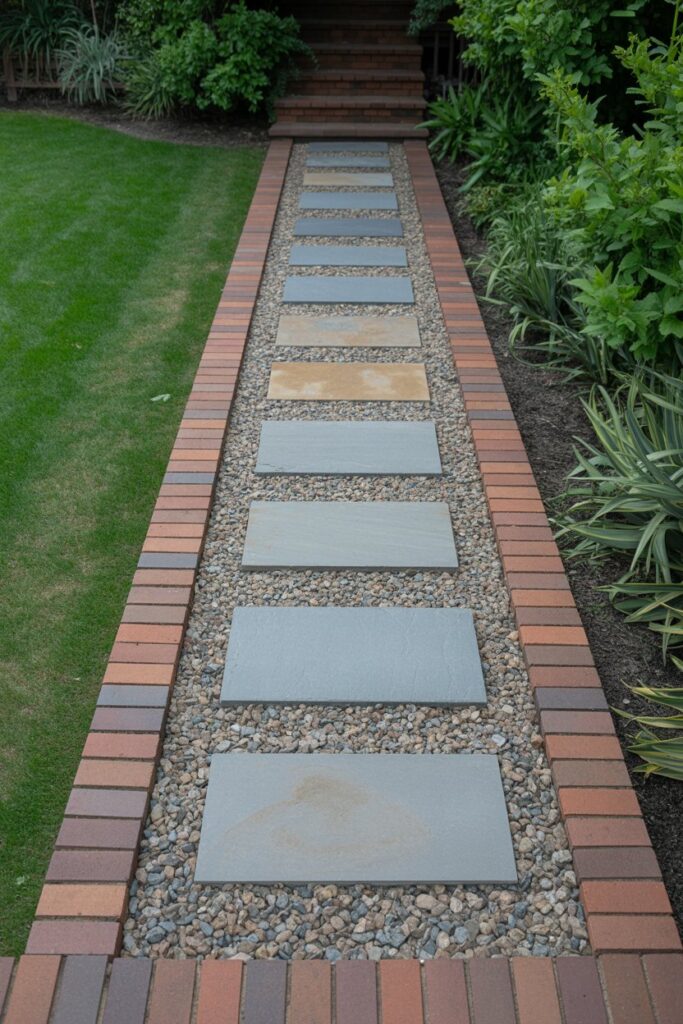
5. Stone Pathways Through the Garden
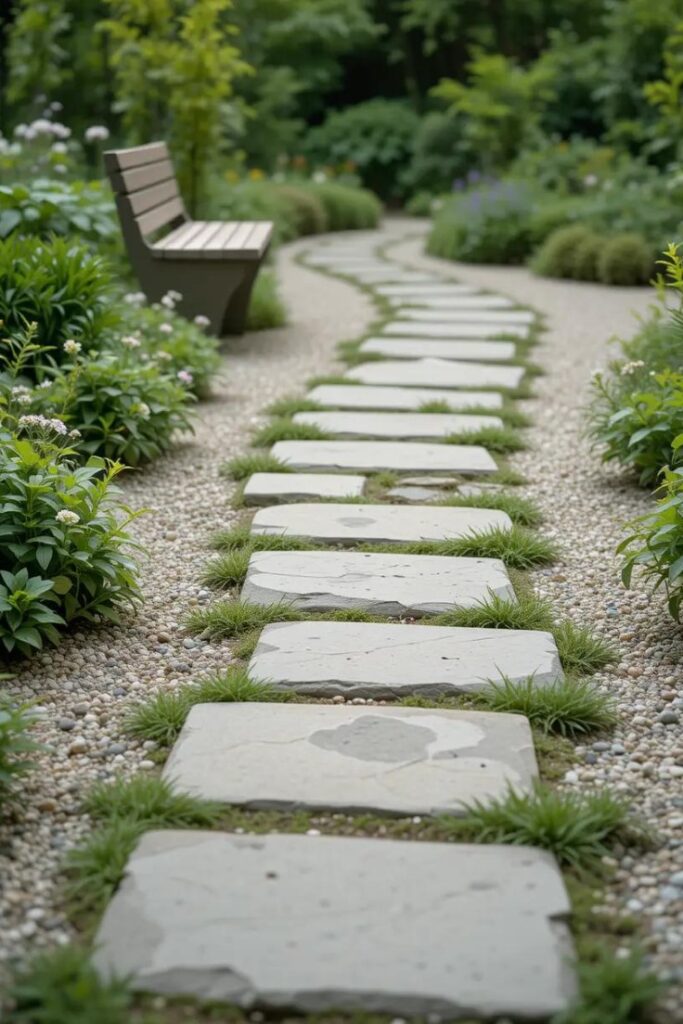
A well-considered stone pathway gives a garden structure and invites movement through the space. Stepping stones set in gravel have an informal quality. Fitted flagstone suits more traditional schemes. Crushed stone is a practical option for longer routes where fitted stone would become costly.
6. Rockery Gardens for Sloped Areas
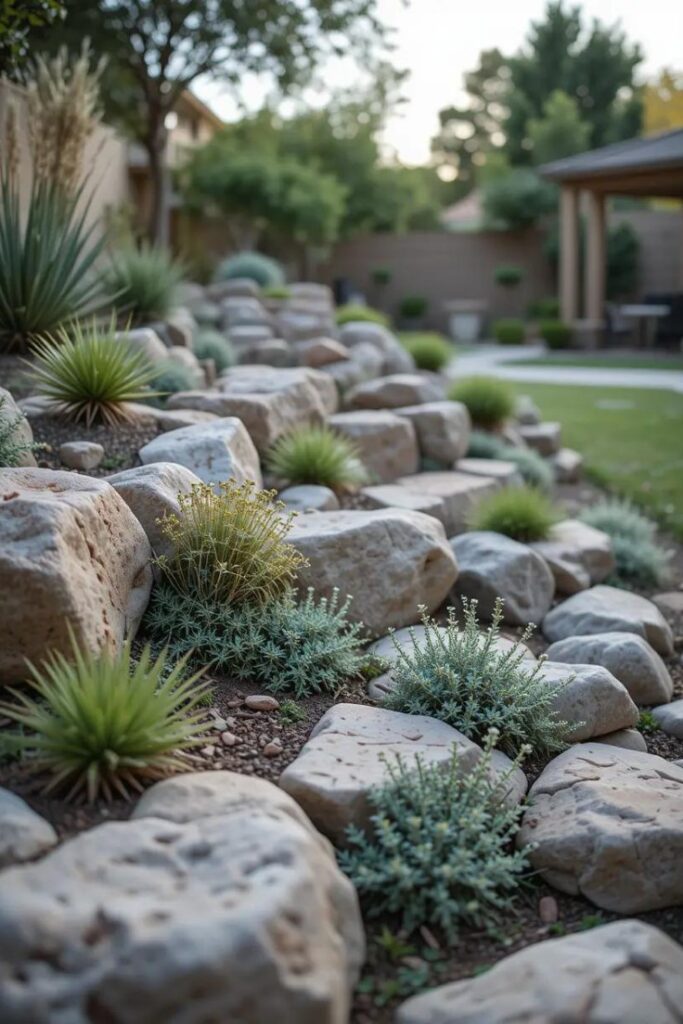
A rockery transforms awkward sloped ground into a planting opportunity. The approach involves positioning boulders at natural-looking angles — partially buried, as though they’ve always been there — and creating soil pockets between them for drought-tolerant plants. Species like sedums, creeping thyme, and alpine varieties settle into the spaces between stones convincingly and need relatively little attention once established.
Also Read: 14 Minimalist Garden Ideas to Simplify Your Outdoor Space
7. Rock as a Mulch Alternative
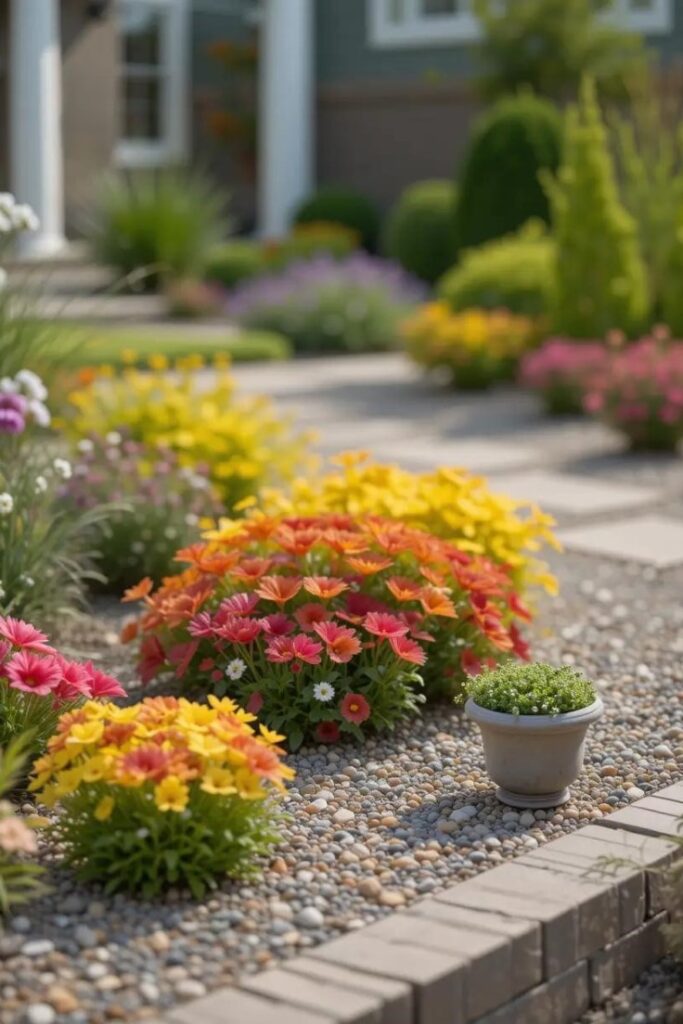
Stone ground cover is a practical swap for wood mulch in beds where something more permanent is preferred. It doesn’t break down or need annual replacement. Pea gravel suits informal planting schemes, crushed granite has a finer texture, and decomposed granite works well for both beds and informal pathways.
8. Stacked Stone Around Raised Beds
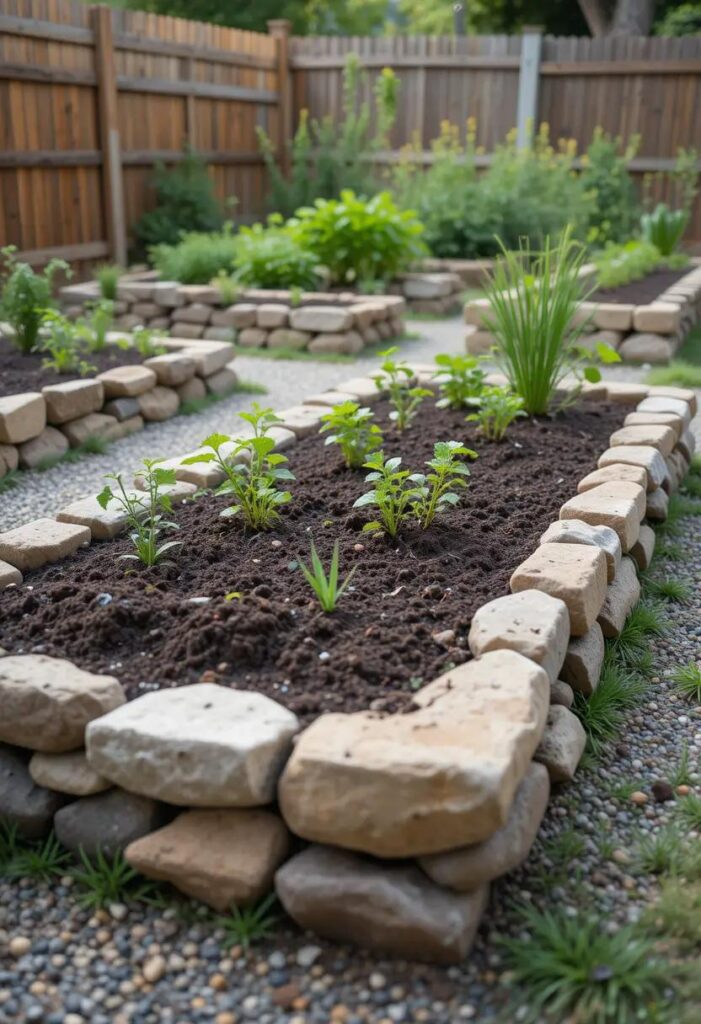
Stacked stone makes a handsome edging material for raised growing beds, adding a sense of permanence to what can otherwise feel like a temporary structure. The combination of natural stone and productive planting — herbs, vegetables, cut flowers — has a long history in kitchen garden design and suits both formal and informal settings.
9. Mediterranean Gravel Gardens
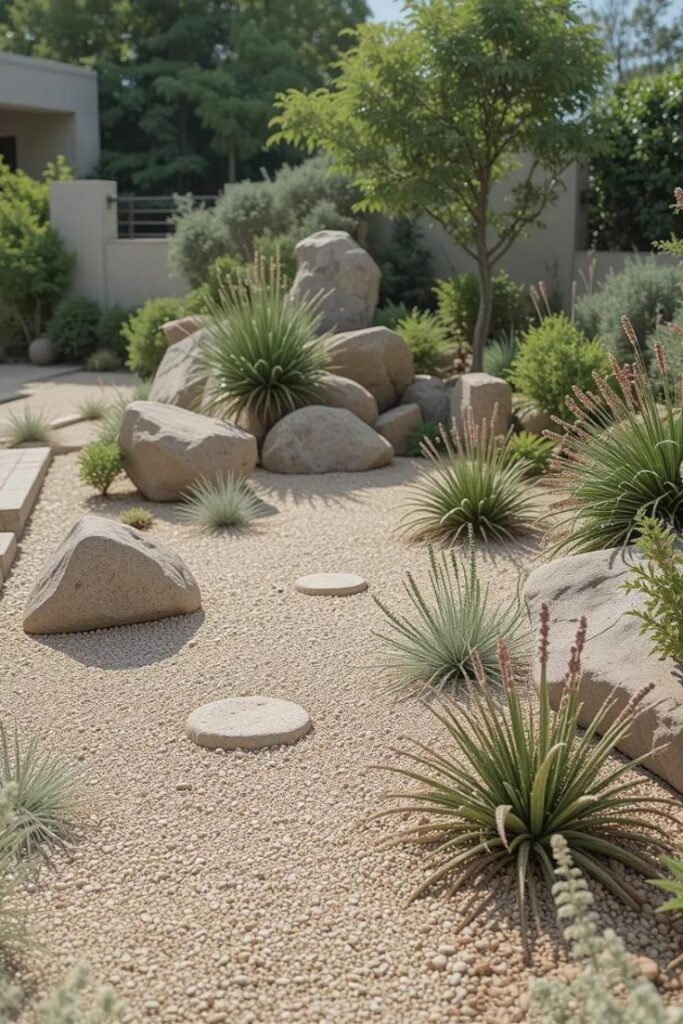
Gravel gardens inspired by Mediterranean landscapes suit warm, dry climates particularly well, though the style translates to other regions too. Light-colored gravel forms the ground plane, with drought-tolerant herbs and perennials providing seasonal interest. Lavender, rosemary, and ornamental grasses all work well within this framework.
Also Read: 12 Creative Outdoor Planter Ideas to Transform Your Garden
10. Natural Stone Retaining Walls
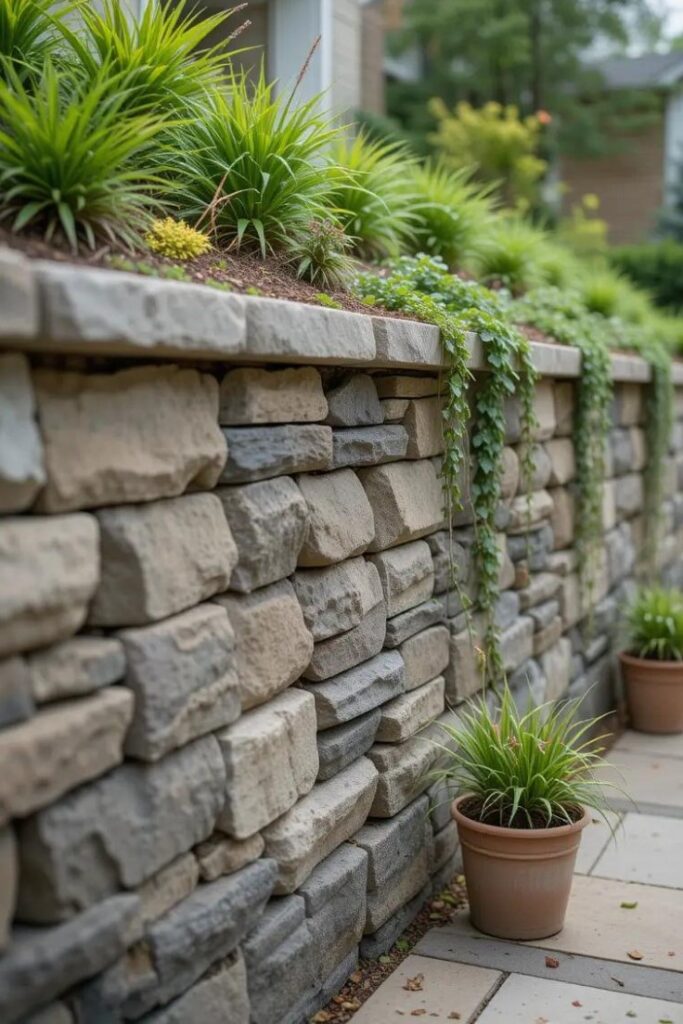
A stone retaining wall manages elevation change while contributing something to the visual character of the garden that concrete block rarely does. The material ages well and sits naturally within a planted setting. Good drainage behind the wall structure is important during construction — without it, water pressure can cause problems over time.
11. Gabion Walls for a Contemporary Look
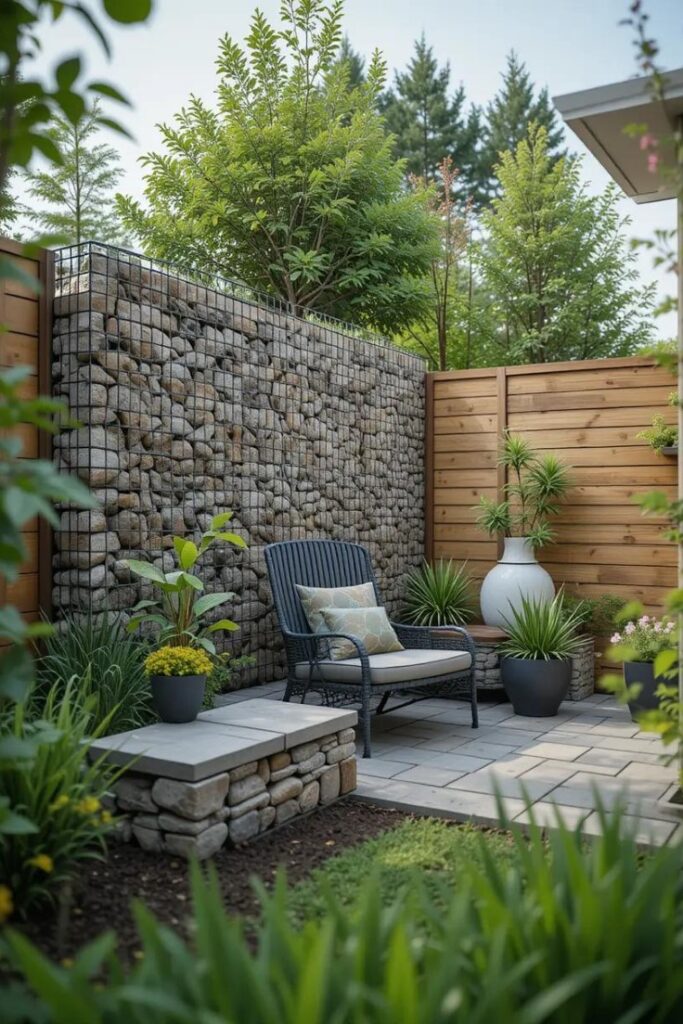
Gabion walls — wire cages packed with stone — are a recognized element in contemporary garden design. They work as retaining walls on sloped sites, as garden dividers, and when built to the right height and topped with timber or cushions, as informal seating. The stone fill can be chosen to suit the surrounding palette.
12. Plant Companions for Rock Gardens
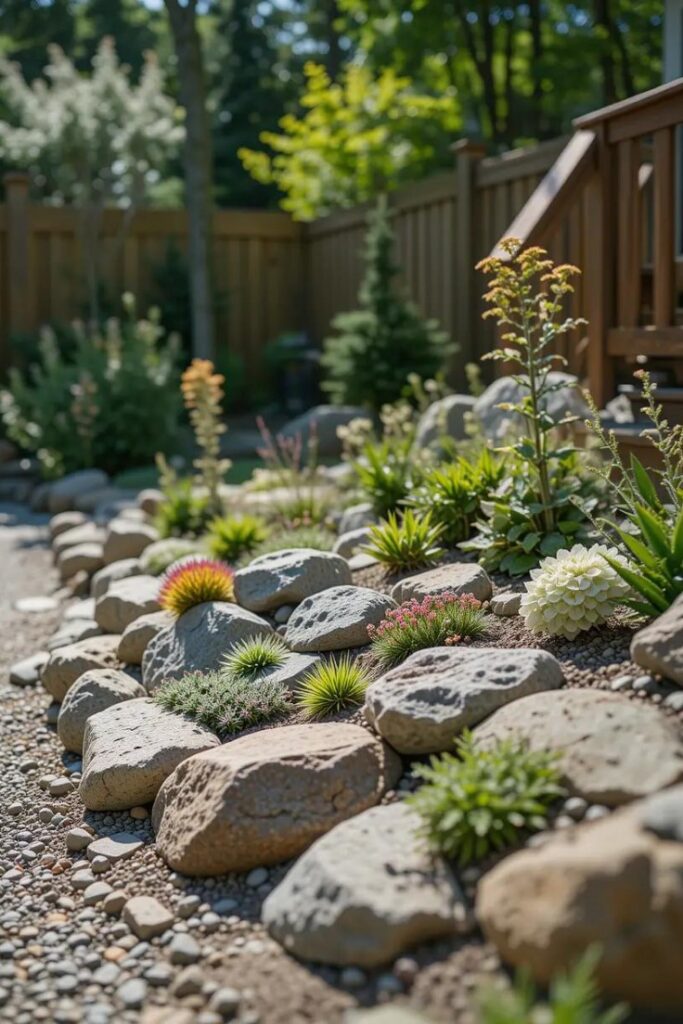
The planting in a rock garden is what separates a considered design from a pile of stones. Species that work best are adapted to sharp drainage, tend to be low-growing, and look natural tucking between rocks. Sedum varieties are reliable, creeping thyme brings fragrance and soft texture, and a few low-growing conifers can add year-round structure.
Also Read: 17 Front Flower Bed Ideas with Rocks and Stones
13. Desert-Inspired Xeriscaping
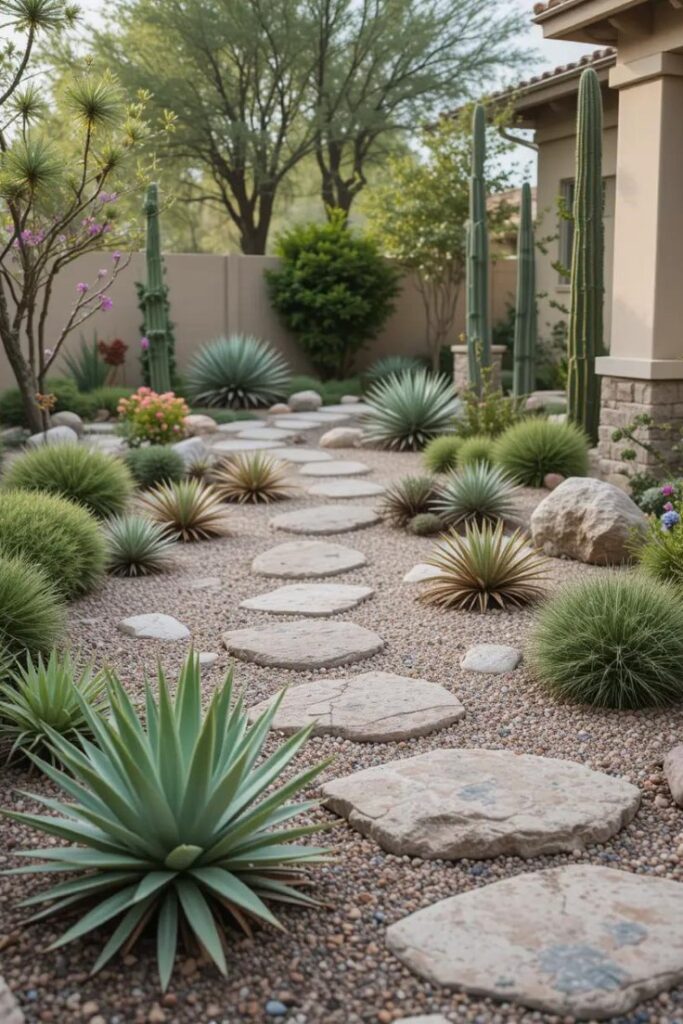
Xeriscaping uses rock and gravel as primary design materials alongside drought-resistant planting, reducing the garden’s dependence on irrigation. Regional stone that echoes the local landscape tends to look most cohesive. Native plants adapted to the climate require less maintenance and support local ecology in a way introduced species often don’t.
14. Natural Stone Steps for Sloped Yards
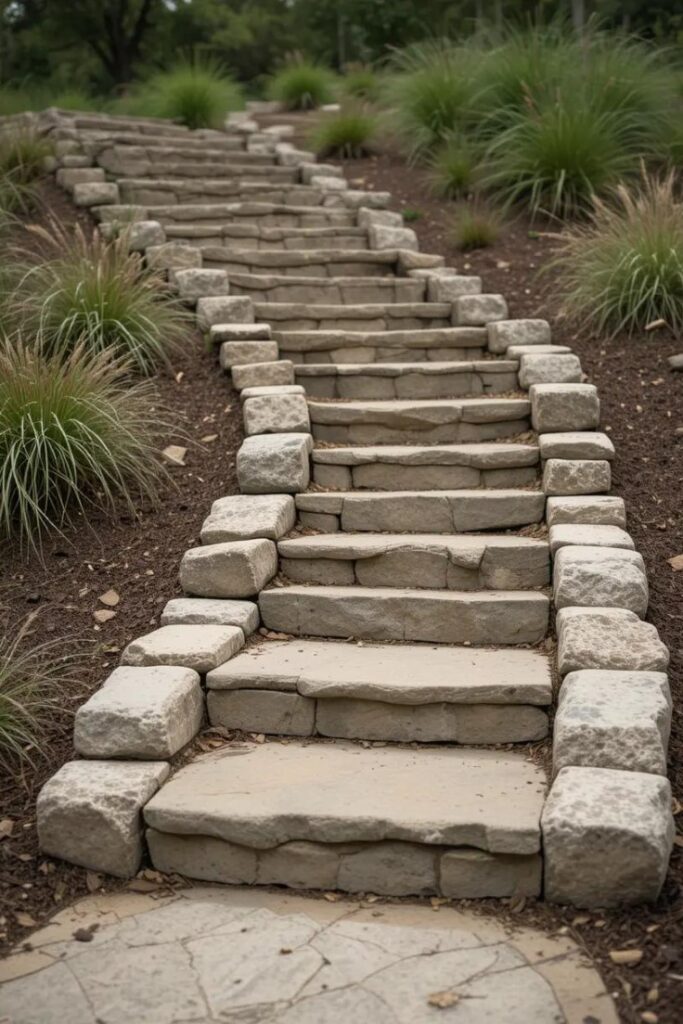
Stone steps are a natural extension of rock landscaping on sloped ground. The key to steps that feel comfortable is consistency — a regular rise and run that doesn’t vary. Complementary stone choices help the steps read as part of the wider design rather than an afterthought. Low planting along the edges softens the structure as it settles in.
15. Stone Courtyard Flooring
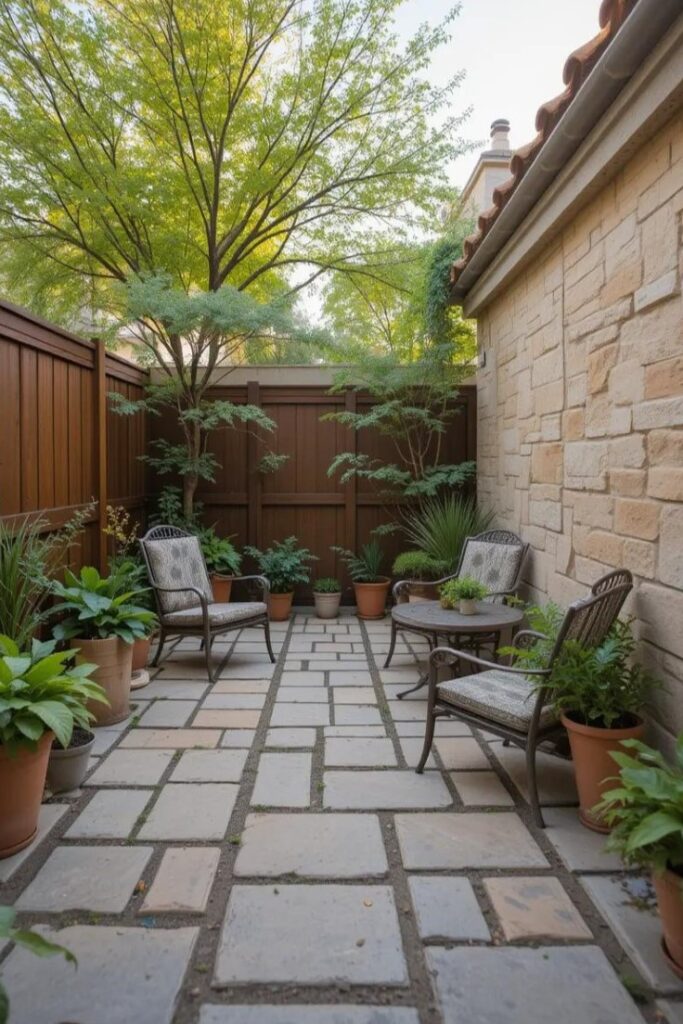
Stone paving turns a courtyard into a more usable outdoor space. Cut stone in uniform sizes reads as formal. Irregular flagstone has a looser, more relaxed quality. Cobblestone patterns work particularly well in older properties where a sense of history feels appropriate.
16. Moss and Rock Combinations
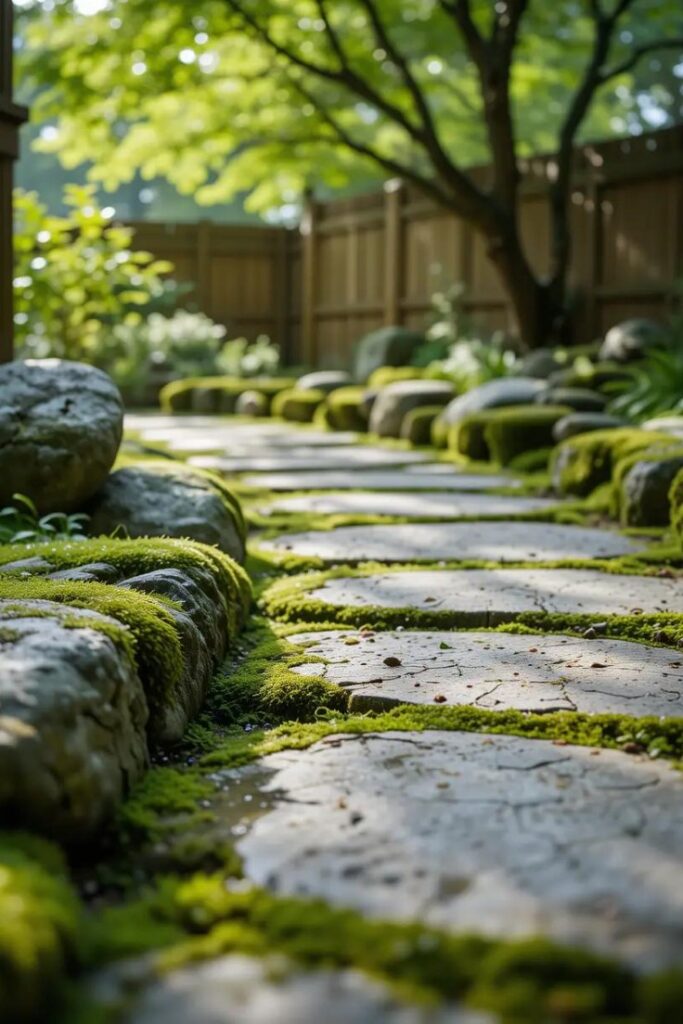
Moss softens rock landscaping in a way few other plants can. It brings a sense of age to a new installation and blurs the hard edges of stone. Positioning rocks in partially shaded areas gives moss a reasonable chance of establishing naturally. Applying a buttermilk solution to stone surfaces is a traditional technique that can encourage spores to take hold more quickly.
A Few Things Worth Considering Before You Start
Stone is heavy to move, difficult to reposition once placed, and sourcing large quantities adds up. Planning carefully before purchasing reduces the chance of costly adjustments later. Sourcing stone locally tends to produce results that sit more naturally within the surrounding landscape and keeps transportation costs down. Where structural work is involved — retaining walls, terracing, large boulder placement — professional input is worth considering.