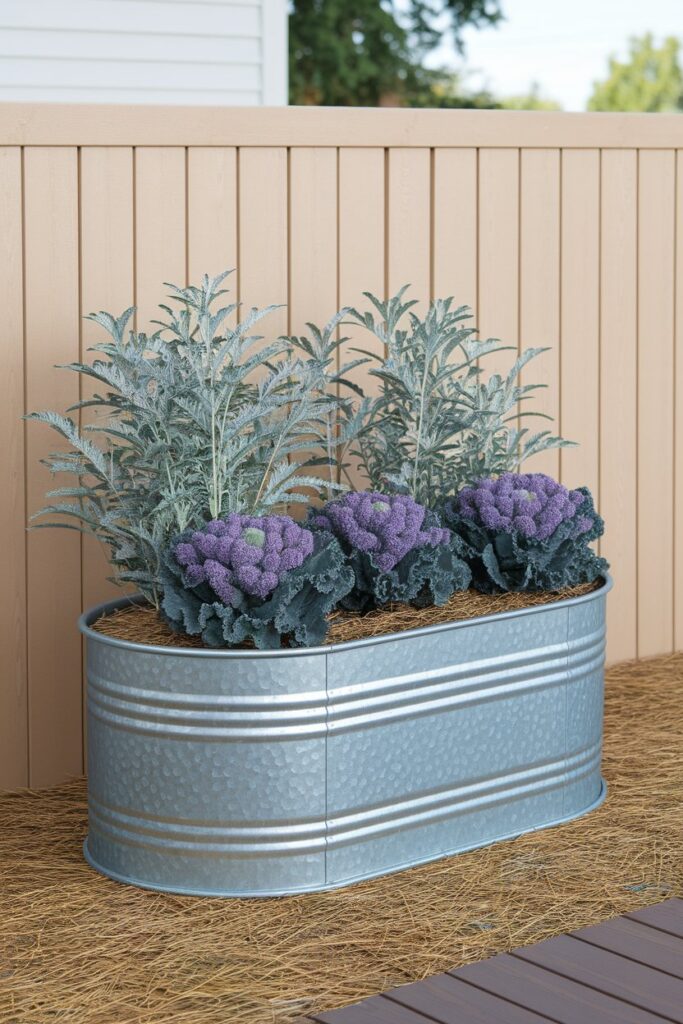
12 Side Yard Garden Makeover Ideas For Narrow Spaces
A side yard may be narrow, but it’s still usable outdoor space. With thoughtful planning, that corridor between your home and the property line can hold a productive herb garden, a shaded fern bed, or even a small fruit tree trained flat against a fence.
The ideas here work in spaces as narrow as three feet. Not every approach suits every yard, so consider your sun exposure, drainage, and how often you actually want to be back there before committing to a design.
“That narrow strip between your house and the fence is real, workable ground — it just needs a plan.”
12 Side Yard Garden Makeover Ideas
1. Go Vertical First

When floor space is limited, height is your friend. Wall-mounted planters, simple wooden trellises, and freestanding vertical towers can hold herbs, trailing flowers, and compact vegetables without taking up ground area you don’t have. A single wall of stacked planters can do the work of a traditional bed in a fraction of the footprint.
Gardener’s Note
Vertical systems dry out more quickly than in-ground beds. In warm weather, check soil moisture every day or two, especially for planters in direct sun.
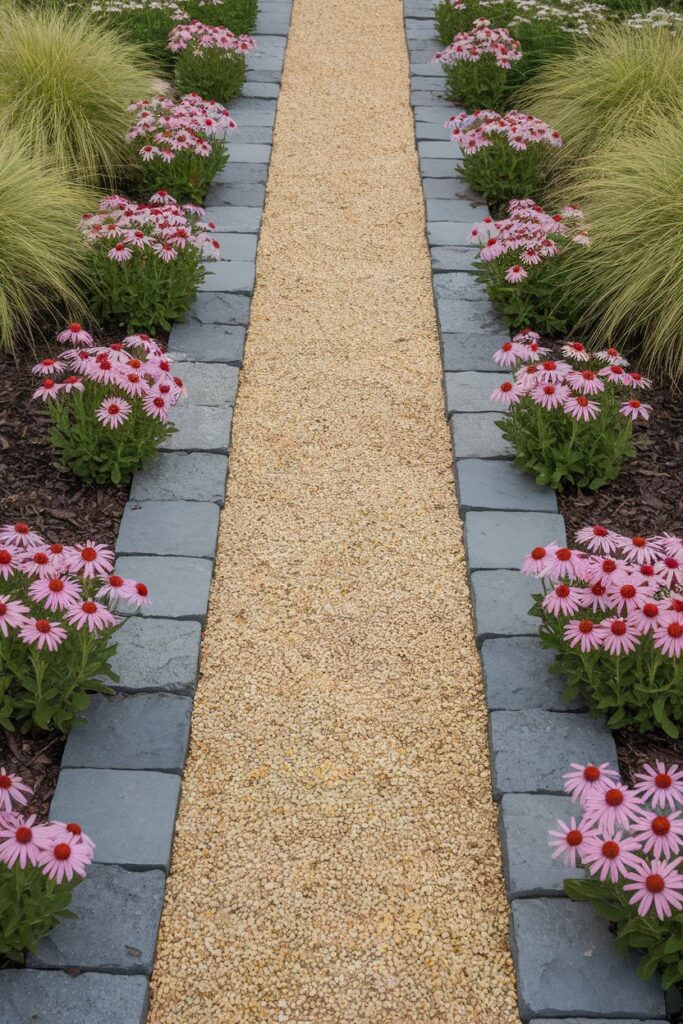
2. Gravel Pathways with Border Plantings

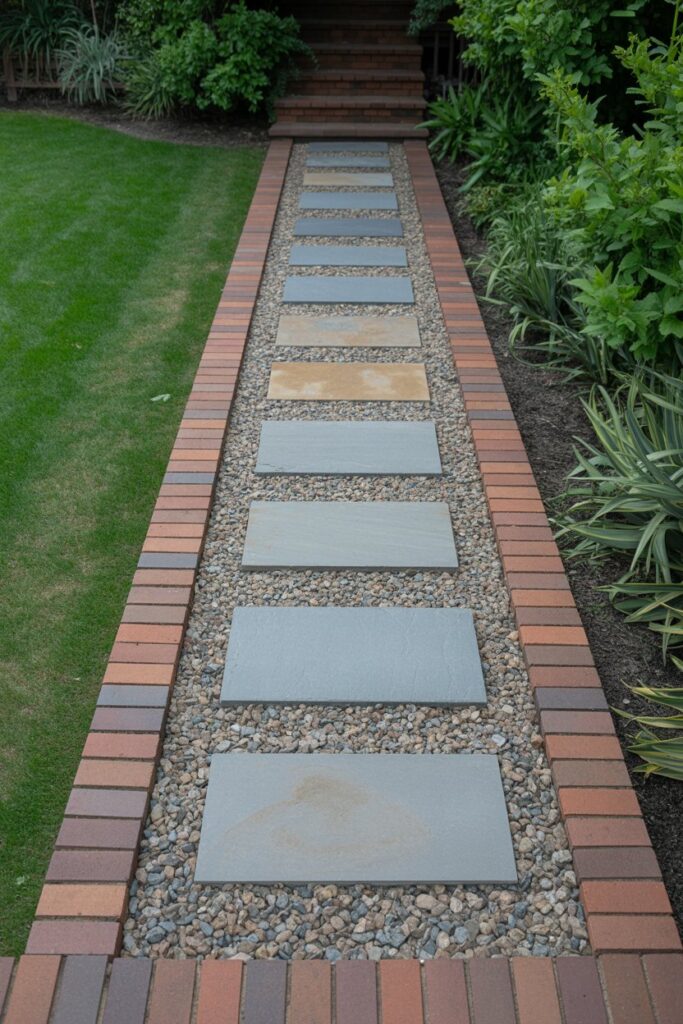
A simple gravel path running the length of your side yard does two things at once: it gives you stable footing for maintenance and creates a clean visual line that makes the space feel intentional. Border the path with low-growing plants that soften the edges without spreading into the walkway.
For shaded areas: hostas, astilbe, ferns • For sunnier spots: lavender, ornamental grasses, sedum
3. Raised Beds for Difficult Ground

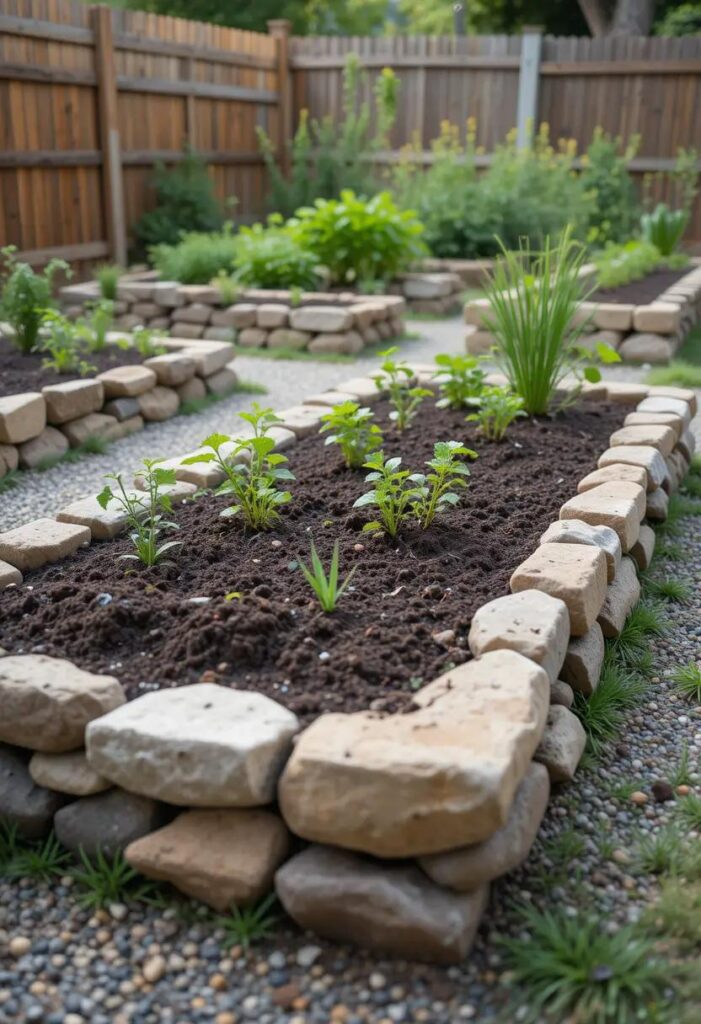
Side yard soil tends to be compacted and poorly drained — a consequence of construction foot traffic and years of neglect. Raised beds sidestep those issues entirely by giving you control over the growing medium. Cedar and composite lumber both hold up well over time. Keep bed widths at four feet or under so you can reach the center without stepping in.
4. Lean Into the Shade

A side yard that faces north or runs between two tall structures may get as little as two hours of direct sun per day. Rather than fighting that condition, work with it. Shade-tolerant perennials tend to be low-maintenance once established, and they can bring surprising color to a dim corridor.
Reliable shade perennials: Japanese painted fern, coral bells • Shade annuals: caladiums, begonias
5. Espalier a Fruit Tree Against a Wall

Espalier is the practice of training a tree to grow flat — against a fence or wall — in a deliberate two-dimensional pattern. It’s an old technique, and it works particularly well in side yards where depth is tight. Apples and pears are the most common candidates; both respond well to the pruning discipline the method requires.
Worth Knowing
Espalier takes patience. Most trees need three to five years before they start producing meaningfully, and the training process requires pruning attention in late winter and again in summer.
6. Container Gardens You Can Rearrange

Container plantings offer something in-ground beds don’t: flexibility. You can shift pots seasonally to follow light, pull them out when they’ve finished blooming, and replace them without disturbing the rest of the space. In a narrow yard, grouping containers in clusters of varying heights tends to read better than a single row of identical pots.
7. Living Privacy Screens
Columnar evergreens, tall ornamental grasses, and clumping bamboo can create a soft visual barrier without requiring a fence or structure. When planting a screen, check your local ordinances on height limits before you commit to a species — and leave at least three feet from the property line.
8. A Dedicated Herb Garden Strip
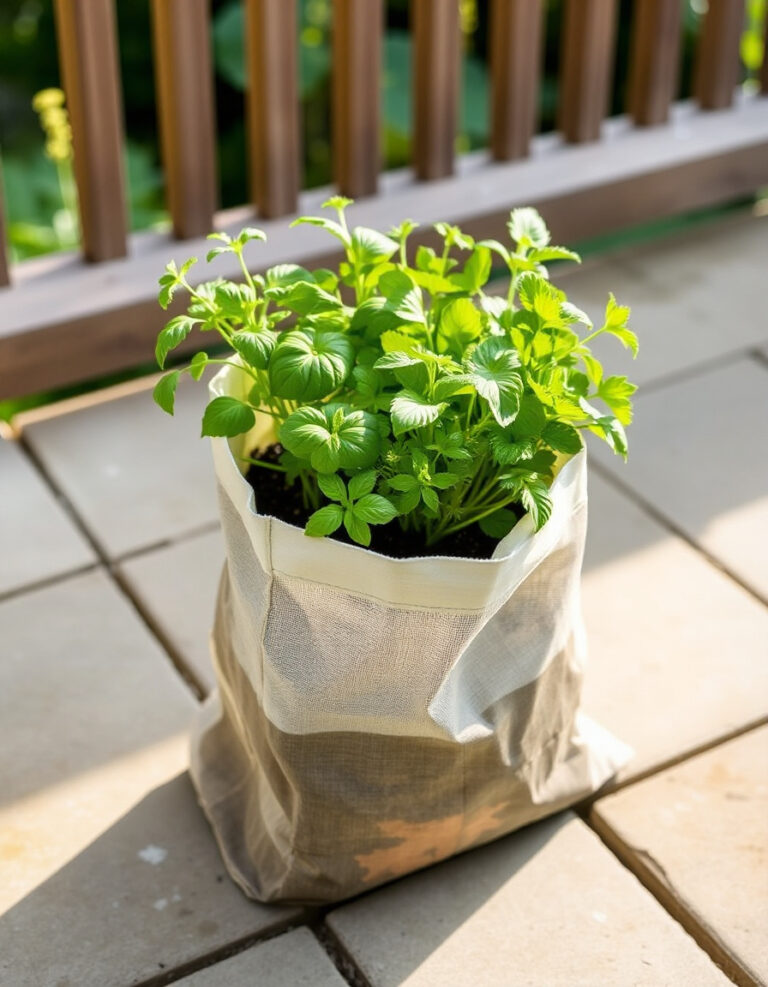
Herbs are one of the most practical things you can grow in a side yard. They’re compact, most tolerate partial shade, and having them near a kitchen entrance makes actually using them far more likely. Group by water needs rather than alphabetically — pairing thirsty mint with drought-tolerant rosemary creates unnecessary competition.
9. A Succulent Rock Garden
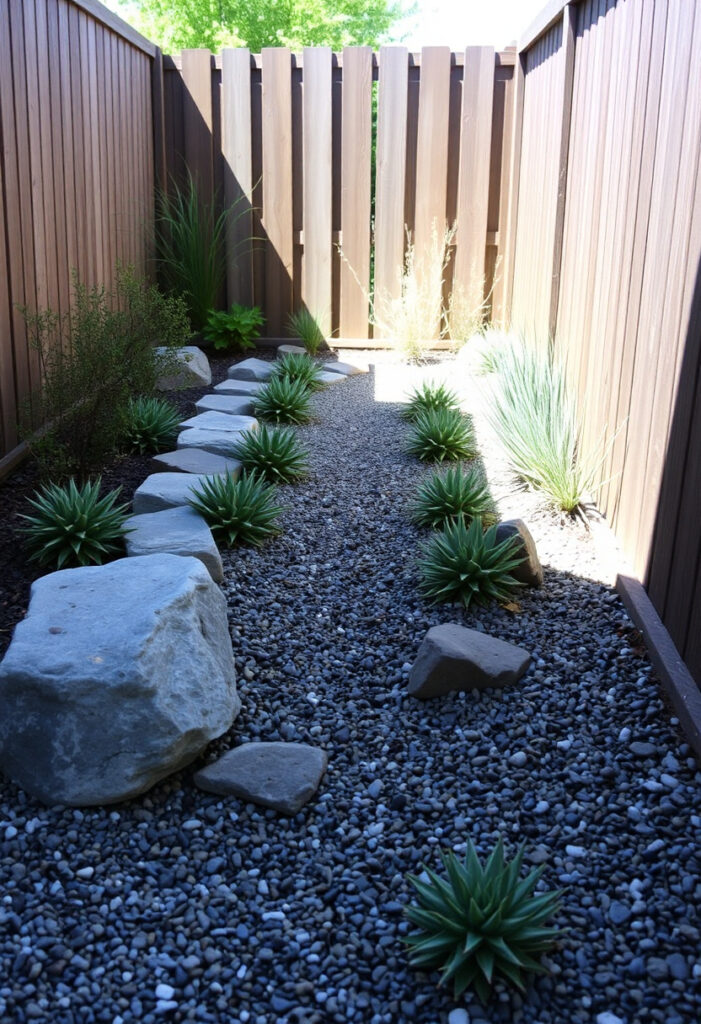
If your side yard has reliable drainage and a few hours of sun, a succulent rock garden can thrive with very little intervention once established. Use varied rock sizes and incorporate fine gravel as mulch. Select cold-hardy varieties suited to your USDA zone — not all succulents tolerate frost.
10. A Lean-To Greenhouse

A lean-to greenhouse placed against an existing wall uses that structure’s thermal mass to moderate temperature swings. Even an unheated lean-to can extend your growing season meaningfully on both ends. For comfortable access, plan for at least six feet of interior width and make sure there’s adequate roof ventilation.
11. Decorative Screening with Climbing Plants
Lattice panels and metal screens serve double duty when you pair them with a climbing plant. They hide utility areas and air conditioning equipment while supporting seasonal interest. Clematis and climbing roses are reliable choices; jasmine adds fragrance in warmer climates.
12. Plan for Every Season

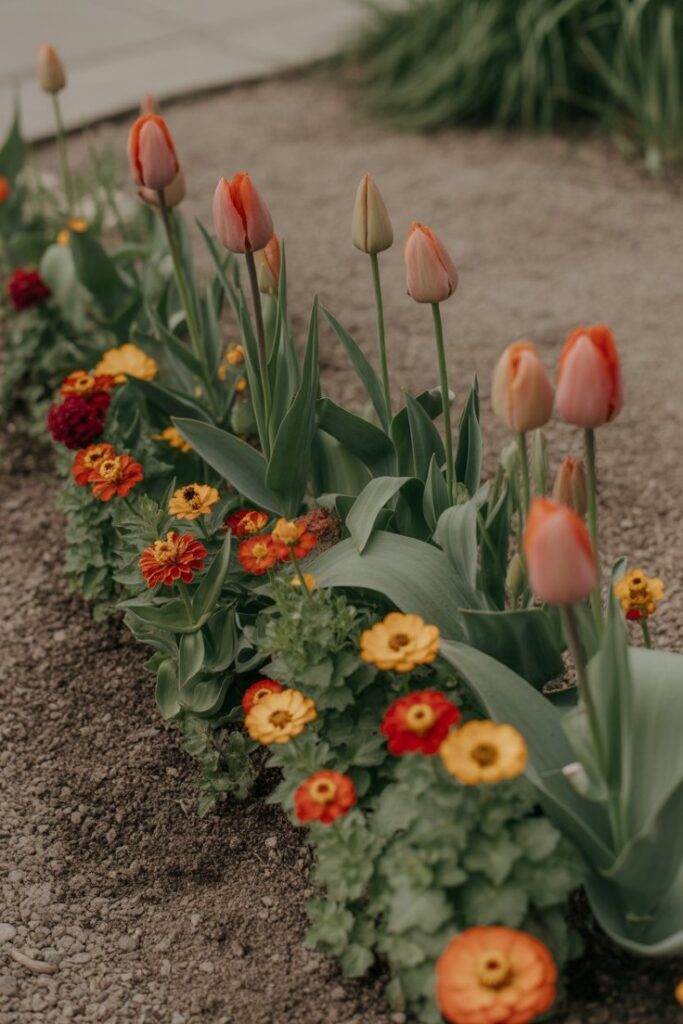
A side yard that peaks in July and goes gray by October is a missed opportunity. Layering plants with different seasonal moments — bulbs in spring, annuals through summer, grasses and berries into fall, evergreen structure in winter — keeps the space from disappearing from view for six months of the year.
| Season | What to Plant |
|---|---|
| Spring | Bulbs, early perennials, hellebores |
| Summer | Flowering annuals, compact vegetables, herbs |
| Fall | Ornamental grasses, berry-producing shrubs |
| Winter | Evergreen structure, interesting bark textures |
“A side yard that peaks in July and goes blank by October is a missed opportunity.”
Before You Start: A Few Practical Notes
Check your soil before you plant anything. Side yards often have compacted, nutrient-poor ground — a leftover from construction — and adding organic matter before establishing beds can make a meaningful difference in how plants settle in.
Plan your irrigation early. Narrow spaces frequently have limited hose access, and hand watering the far end of a sixty-foot side yard gets old quickly. A simple drip line is often worth the setup time.
Think about mature plant size when you’re choosing varieties. What looks appropriately scaled at the nursery can double or triple in width within a couple of seasons. Read the tag carefully, and when in doubt, give things more room than you think they need.
Questions & Answers
What’s the minimum width for a usable side yard garden?
Three feet is generally considered the floor — enough for a single row of plantings and a narrow footpath. Four to six feet opens up more options, including raised beds and parallel plantings. At six feet or wider, you may have room for a small seating area or a lean-to structure.
How much sun does a typical side yard get?
Most side yards receive somewhere between two and six hours of direct sun per day, though that varies considerably by orientation and what’s casting shade. The practical way to know is to observe the space at two-hour intervals on a clear day. South-facing side yards tend to receive more sun; north-facing ones often stay mostly shaded.
Can you grow vegetables in a side yard?
Yes, with some adjustments. Leafy greens, herbs, and root vegetables like carrots and radishes generally do well in partial shade. Fruiting crops — tomatoes, peppers, cucumbers — tend to need more light than most side yards can offer, though vertical growing systems and south-facing walls can help push the limits.
How do you deal with drainage problems in a side yard?
Raised beds are the most straightforward fix for poor drainage, since they elevate roots above the problem area. For in-ground planting, amending soil with compost and coarse grit can improve drainage capacity. Persistent standing water may warrant a French drain or a consultation with a landscape contractor before you invest in plantings.