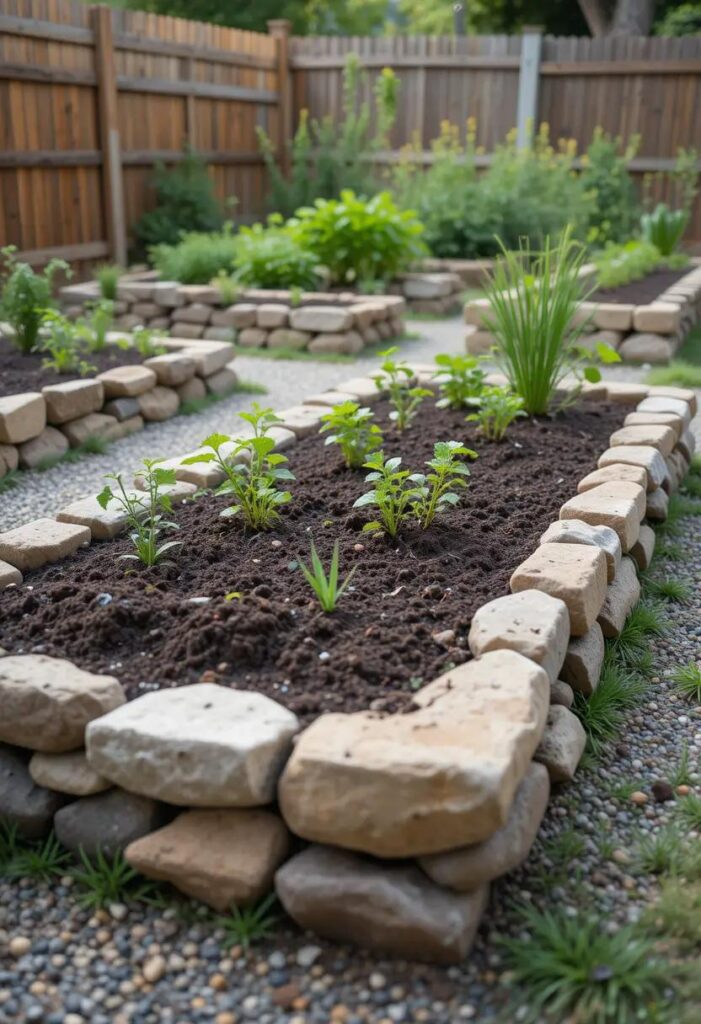
12 Creative Outdoor Planter Ideas to Transform Your Garden
Container gardening is one of the more flexible approaches to outdoor growing. It works in small spaces, accommodates poor soil conditions, and allows you to move plants as the season changes. Whether you’re working with a patio or a larger garden, the right planter can add structure, greenery, and a sense of intention to the space.
These 12 ideas cover a range of materials and budgets — from repurposed timber and galvanised steel to fabric grow bags and stacked concrete blocks. Some require a bit of building; others are straightforward to set up and plant.
1. Repurposed Wooden Crates

Few materials bring the kind of easy, lived-in warmth that weathered timber does. Sand and seal reclaimed crates before filling them — untreated wood tends to deteriorate faster in wet conditions — and line the interior with landscape fabric to keep soil from escaping through the gaps. Herbs, succulents, and compact flowering annuals all tend to suit the shallow depth well.
For a more substantial planting, disassembled pallet boards can be rebuilt into larger custom boxes. These work particularly well for vegetables and can be stacked upright to make use of height where horizontal space is limited.
2. Concrete Block Raised Beds

Stacked concrete blocks won’t win any awards for elegance on their own, but used thoughtfully, they can anchor a garden with a pleasing solidity. Arrange them in rectangular or L-shaped configurations, and fill the hollow centres with compost — those cavities create surprisingly useful extra growing pockets for low-growing herbs or trailing plants.
They hold up well through changing seasons and can be painted to tie into the house exterior, or left as they are for a more utilitarian look that suits vegetable gardens and kitchen gardens particularly well.
3. Stacked Tyre Planters

Used tyres are one of the more divisive materials in container gardening, but with a coat of exterior paint they can read as something rather more considered than their origins suggest. Stack two or three together for height, and fill the column with compost — potato towers work especially well this way, with additional soil added as the plants grow upward.
They’re robust, drain reasonably well, and hold their structure through the roughest weather.
4. Hanging Baskets and Suspended Planters

The conventional wire hanging basket has been so thoroughly done that it can feel like a default rather than a choice. It’s worth going a little further — macramé hangers in natural cotton, repurposed colanders with a few drainage holes cleared, or even an old chandelier frame planted up with trailing varieties can add real character overhead.
Petunias, ivy geraniums, and nasturtiums are all well-suited to the elevated position, and their trailing habit tends to look more intentional when it has somewhere to fall.
5. The Wheelbarrow Planter

A vintage wheelbarrow that’s no longer fit for purpose makes an unusually good container garden. The volume is generous enough for larger plants and vegetables, the shape adds movement to a static border, and if the wheelbarrow still turns, it can follow the sun throughout the day. Drill a few drainage holes in the base if there aren’t any, and it’s ready to plant.
These suit seasonal displays particularly well — something full and sprawling in summer, a more structured arrangement of evergreen interest through winter.
6. Ladder Plant Stands

An old wooden ladder propped against a wall or fence makes a multi-level display that requires very little investment. Each rung holds a pot at a slightly different height, which tends to read as more interesting than a flat row of containers at ground level. Herb gardens work especially well this way — different varieties within easy reach, the whole thing taking up almost no floor space.
Make sure the ladder is stable before loading it with pots, and choose containers that sit securely on each rung without overhang.
7. Window Boxes

Well-fitted window boxes can do more for the exterior of a house than almost any other planting intervention. The key is proportion — a box that’s too narrow for its window, or filled with plants at wildly different scales, tends to look accidental rather than designed.
Fix them securely, since the weight of damp compost is substantial, and try to keep the planting coherent in its water and light needs. A box that requires different care for each plant quickly becomes difficult to maintain well.
8. Hypertufa and Stone Containers

For something that looks as though it belongs in the garden rather than having been placed there, hypertufa is hard to beat. A mix of cement, peat moss, and perlite can be moulded into forms that mimic old stone troughs at a fraction of the weight and cost. Left to weather for a season or two, they develop a surface that’s difficult to distinguish from the real thing.
Alpine plants and succulents particularly suit these — both prefer the sharp drainage that the rough-textured sides and porous walls encourage.
9. Galvanised Metal Containers
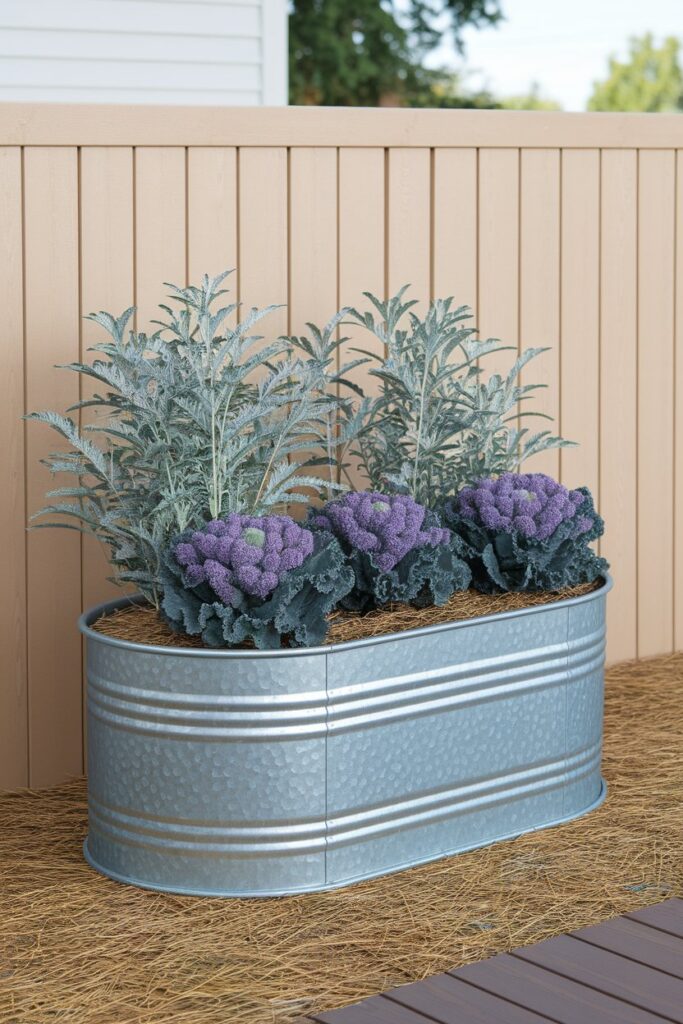
Galvanised steel containers have moved from vegetable garden staple to garden feature in their own right. They’re durable, straightforward to plant up, and suit a range of styles from pared-back modern to relaxed country kitchen. The one consideration worth keeping in mind is heat — metal conducts it readily, which can warm root zones quite significantly in high summer. In very exposed positions, some insulation on the inside walls can help.
Copper and aluminium age differently to galvanised steel, developing their own patinas over time, which can add rather than detract from their appeal.
10. Fabric Grow Bags

Fabric grow bags have become one of the more practical options for food growing on patios and balconies. The breathable sides allow excess moisture to escape and prevent roots from circling the container, which tends to produce more vigorous growth than an equivalent rigid pot. They fold flat for storage when the season ends and are light enough to move without difficulty.
Tomatoes, potatoes, and courgettes all tend to do well in them, and the larger sizes can support more than one plant where space is the primary constraint.
11. Tiered and Stepped Planters

A single level of containers, however well planted, rarely has the visual impact of an arrangement at different heights. Stepped planters — whether built from timber, assembled from stone, or bought as a ready-made system — bring depth to a patio or terrace that flat arrangements struggle to achieve.
The practical benefit is also real: plants at the back aren’t hidden behind those in front, and the varying height makes it easier to tend to each container without disturbing its neighbours.
12. Edible Ornamental Planting

The division between the productive garden and the ornamental one is largely a matter of habit. Rainbow chard, purple basil, and climbing French beans trained up a simple cane frame can be as attractive as anything purely decorative — and considerably more useful at mealtimes.
Using containers for edible-ornamental planting also means the display can move or change without disrupting the wider garden. A pot of bronze fennel at the front door or a cluster of ornamental peppers on a terrace table tends to prompt more comment than most flowers would.
Choosing the Right Container for Your Plants
The relationship between container size and plant health matters more than it might appear. Shallow-rooted plants — lettuce, most herbs, alpine strawberries — can manage well in quite modest depths. Deep-rooted crops like tomatoes and aubergines need a container with real volume if they’re to develop properly; a pot that’s too small will restrict both root growth and, eventually, yield.
Drainage is the other non-negotiable. Almost any container can be made to work if excess water can escape freely; very few plants will perform well if their roots sit in standing water.
Maintaining Container Plants Through the Season
Containers dry out more quickly than ground-level planting, particularly in warm or windy conditions — daily checking in high summer is often necessary rather than cautious. Nutrients also leach out with regular watering, so a feeding routine matters more than it does in open ground. Slow-release fertilisers added at planting time help, but a supplementary liquid feed through the growing season tends to make a noticeable difference to flowering and fruiting.
In colder climates, containers made from porous materials — terracotta, hypertufa, some ceramics — may need protection through winter. Moving them to a sheltered position, wrapping with fleece or bubble wrap, or bringing tender plants under cover before the first frosts are all worth considering before the season turns.