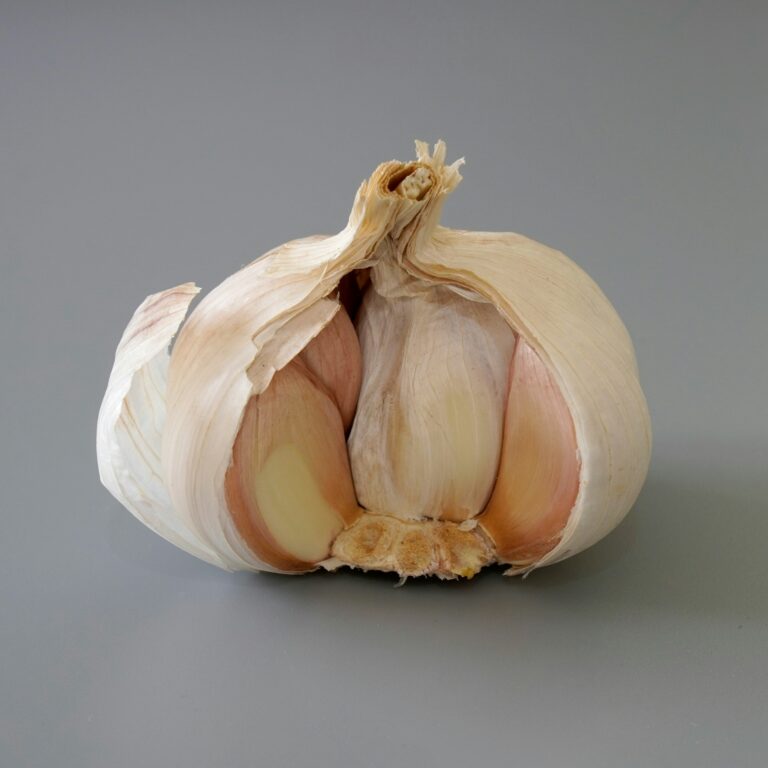
21 Flower Bed Ideas to Refresh Your Outdoor Space
There’s something quietly satisfying about a well-planned flower bed. It doesn’t have to be elaborate or expensive — just a little thought about color, scale, and plant selection goes a long way. Whether you’re starting from scratch or refreshing an existing border, these flower bed ideas cover everything from low-maintenance native plantings to lush country-style displays.
Take what works for your space, your climate, and honestly, the amount of time you want to spend outside with a trowel.
How to Plan a Flower Bed Before You Dig
Before you pick up a shovel, spend a few days observing your yard. Notice how sunlight moves across the space, where water tends to pool after rain, and what views you most want to frame or block. These small observations will save you a lot of replanting later.
A few basics worth checking off:
- Sunlight: How many hours of direct sun does the area get? Full sun (6+ hours), partial shade (3–6 hours), and full shade each call for different plants.
- Soil: A simple at-home test can tell you whether your soil is sandy, clay-heavy, or somewhere in between. Most flowering plants appreciate well-draining, amended soil.
- Hardiness zone: Your USDA zone determines which perennials will survive winter in your garden. Annuals sidestep this issue entirely, but they need replanting each year.
With those basics in mind, here are 21 flower bed ideas worth exploring.
1. Curved Border Beds

Straight lines have their place, but a gently curved border tends to look more natural and finished at the same time. The trick is laying out a garden hose first to find a shape you like before you commit to digging.
Keep borders at least 3 feet wide — anything narrower tends to look pinched once plants fill in. Wider beds (5 feet or more) give you room to layer plant heights, which is where things get interesting.
2. Raised Beds with Stone Edging

Raised beds solve a handful of common garden problems at once. They improve drainage, keep soil from compacting underfoot, and make it much easier to control weeds. Stone edging — limestone, granite, or sandstone — adds a sense of permanence and pairs well with both formal and informal plantings.
The elevation also makes planting and maintenance more comfortable, which is worth factoring in if you spend a lot of time in the garden.
3. Country-Inspired Flower Beds
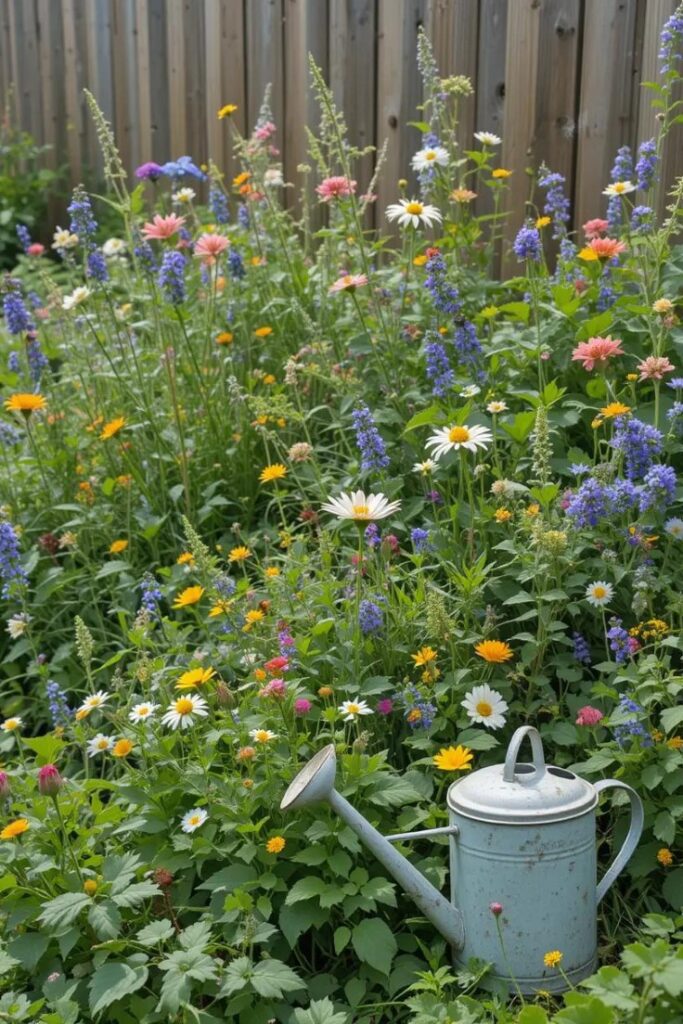
The hallmark of a country-style garden is that it looks abundant and slightly unstudied — plants spilling into each other, multiple heights mingling, self-seeding annuals popping up in unexpected spots. The appeal is real, but it helps to know that the best cottage gardens are actually planned carefully. The “wild” look takes work to maintain.
Mixing perennials, annuals, and flowering herbs gives you the layered, lush effect that defines this style.
4. Monochromatic Beds
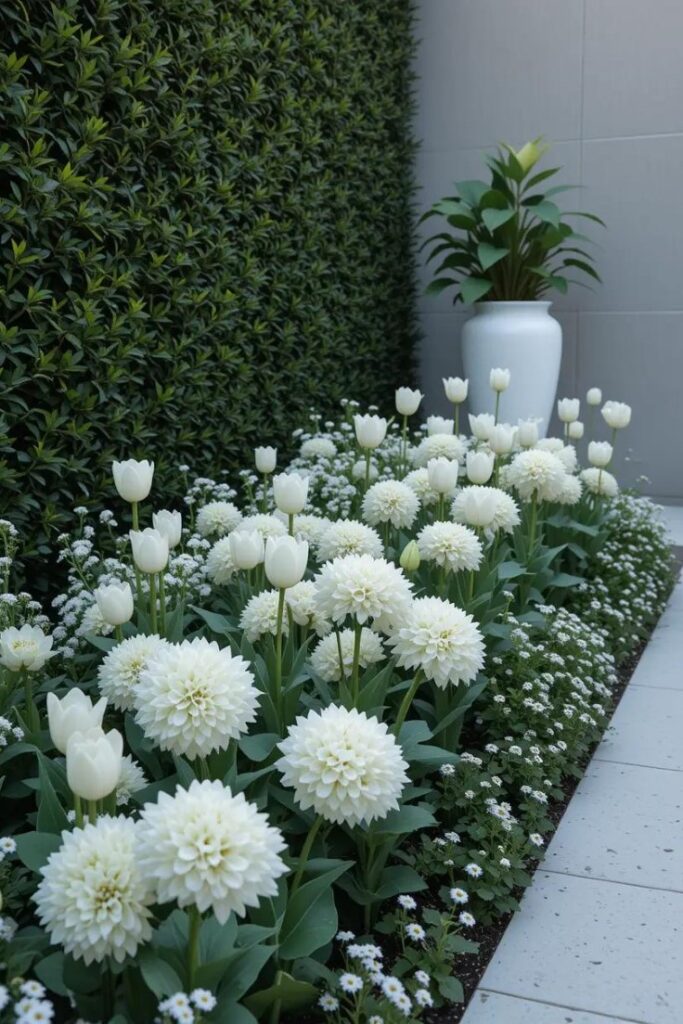
Working within a single color family — all whites, all purples, all yellows — creates a sense of calm and cohesion that multi-color plantings don’t always achieve. Vary the plant textures, heights, and bloom times to keep things from feeling flat.
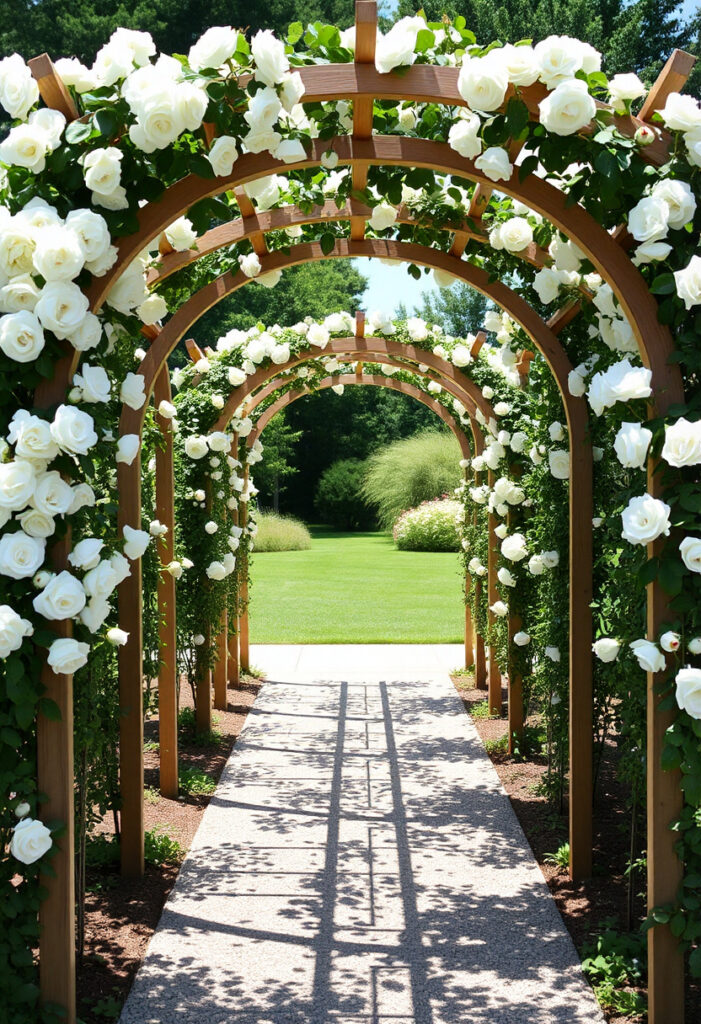
White monochromatic beds have a particular quality in the evening — they seem to glow as the light fades, which makes them worth considering anywhere you spend time outdoors after dark.
5. Geometric Pattern Beds

Formal gardens lean on shapes — squares, rectangles, circles, diamonds — to create order and symmetry. These work especially well in front yards where curb appeal matters, or in any space that’s viewed from above, like a second-floor window or a deck.
Crisp edges are essential here. A sharp spade or half-moon edger will do more for the look than any plant selection.
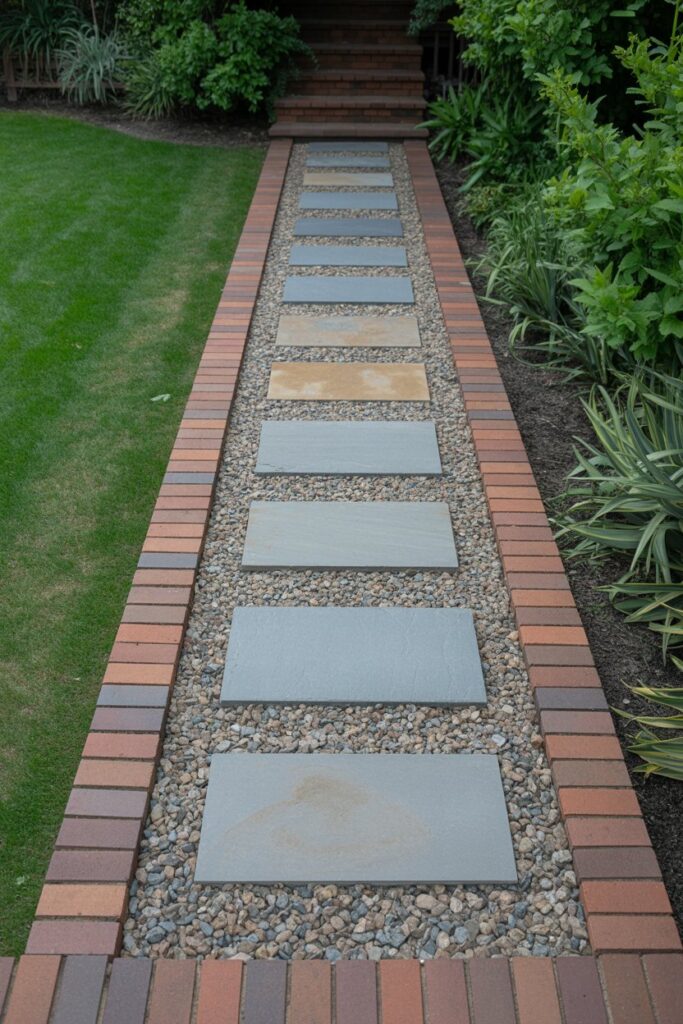
Also Read: 14 Garden Walkway Ideas to Transform Your Outdoor Space
6. Tiered Beds

Tiered beds bring vertical structure to a sloped yard or add visual interest on flat ground. Each level functions as its own planting zone, which makes it easier to separate plants by water or light needs.
Weathered wood, concrete blocks, and natural stone are all common materials for the retaining walls between tiers. Choose something that fits the overall feel of your yard.
7. Foundation Beds

A foundation bed does double duty: it softens the hard edge where your home meets the ground, and it gives you a natural spot to add seasonal color. The most common mistake here is planting too close to the house, which restricts airflow and leads to moisture problems.
A few guidelines that tend to work well:
- Place taller plants at corners, where they won’t block windows
- Include at least one evergreen for year-round structure
- Leave 18 to 24 inches between plants and the foundation wall
8. Vertical Beds

When ground space is limited, going vertical is a practical move. Flowering vines like clematis and morning glory climb trellises naturally. Wall-mounted containers and pocket planters work on fences. Even repurposed pallets, properly prepared, can become a vertical planting surface.
Vertical beds bring color to eye level and above, which changes how a small space feels entirely.
9. Rock Garden Beds
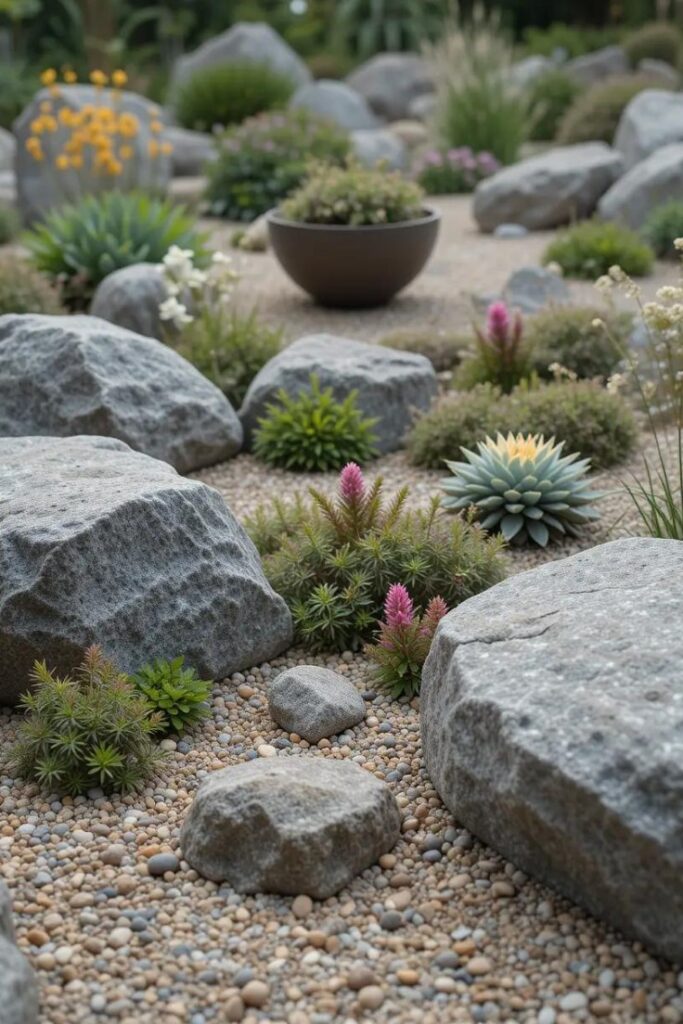
Rock gardens pair well with drought-tolerant plants and suit sloped or uneven ground that’s difficult to plant conventionally. Alpine plants, sedums, and native wildflowers all work naturally among stones.
The rocks themselves do real work in a rock garden — larger ones create microclimates, offering shaded pockets for more sensitive plants and sun-warmed surfaces for heat-loving varieties.
Also Read: 16 Rock Landscaping Ideas to Structure to Your Outdoor Space
10. Woodland Beds for Shady Spots

Shade doesn’t have to mean a bare patch of ground. Woodland-style beds lean into low-light conditions with plants like hostas, ferns, astilbe, bleeding heart, and native trillium. Many of these bloom in spring before deciduous trees leaf out, which gives you color right when you’re most eager for it after winter.
Rich, organic soil — the kind that mimics a forest floor — is the foundation of a successful woodland bed. Compost generously before planting.
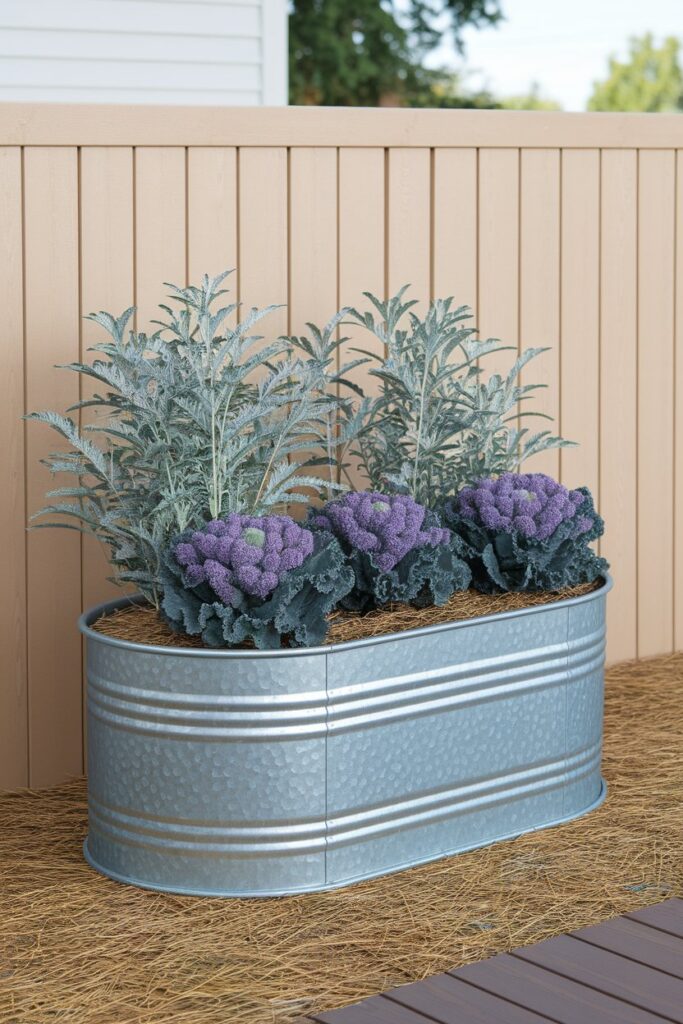
11. Container Groupings as Flower Beds
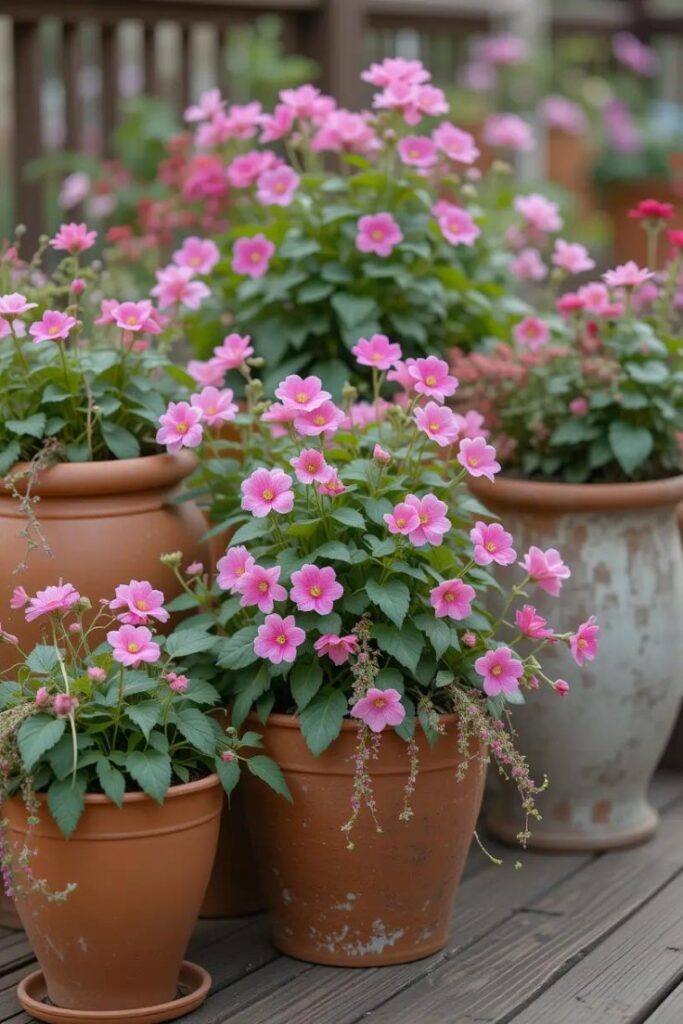
Grouping containers creates the visual effect of a flower bed without any digging. This approach suits patios, decks, rental properties, and spots where tree roots or poor drainage make in-ground planting difficult.
For a cohesive look, choose containers in similar materials or tones and vary the plant heights across the group.
12. Seasonal Rotation Beds
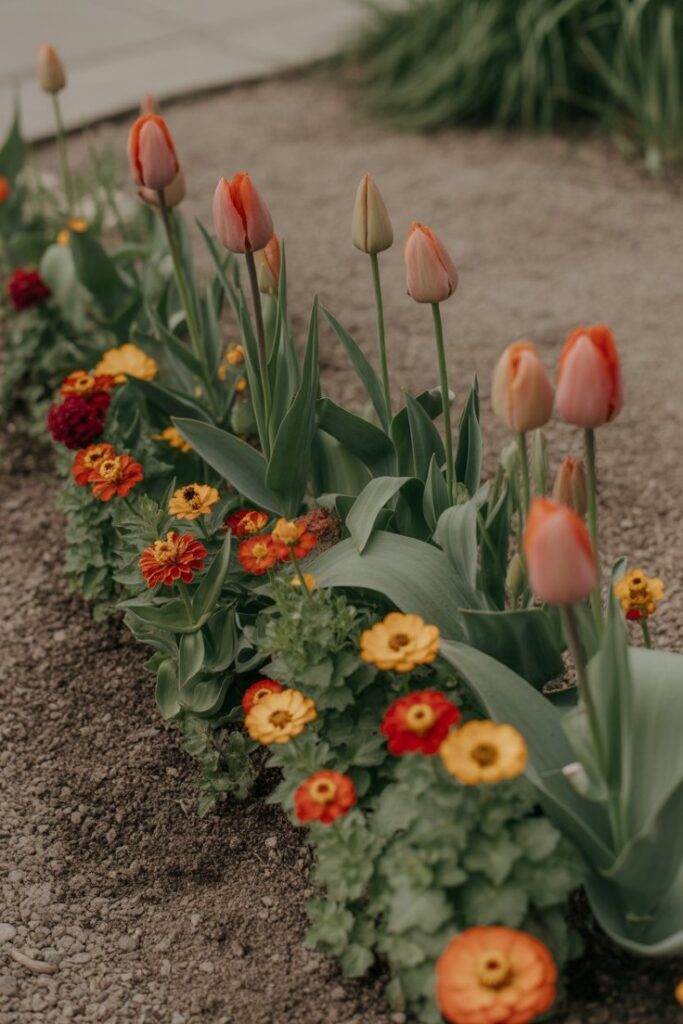
A rotation bed takes more planning than most, but the payoff is a flower bed that looks intentional throughout every season. Spring bulbs give way to summer annuals; cool-season flowers transition to heat-lovers; late-season perennials carry things into fall.
Sketching out a planting calendar before the season starts helps keep the succession on track.
Also Read: 17 Front Flower Bed Ideas with Rocks and Stones
13. Island Beds

An island bed floats in the middle of a lawn area, visible from all sides. It makes a strong focal point without requiring any hardscaping. Plan for a minimum diameter of 6 to 8 feet — smaller than that and the proportions can feel off against an open lawn.
The traditional approach puts taller plants toward the center and shorter ones around the edges, so the whole thing reads clearly from a distance.
14. Rain Garden Beds
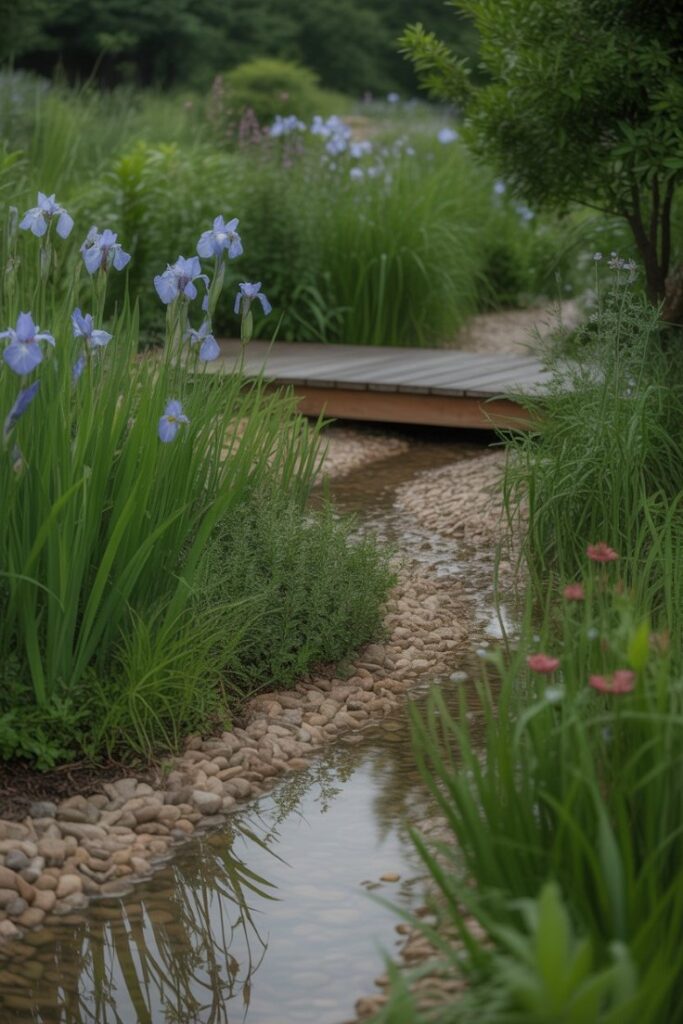
A rain garden is designed to collect and slowly absorb runoff from downspouts or paved surfaces. The plants that thrive in these conditions — swamp milkweed, cardinal flower, blue flag iris — are adapted to fluctuating moisture and tend to be low-maintenance once established.
Beyond the aesthetic, a rain garden reduces erosion and keeps runoff out of storm drains, which makes it a genuinely useful addition to a yard with drainage challenges.
15. Edible Flower Beds
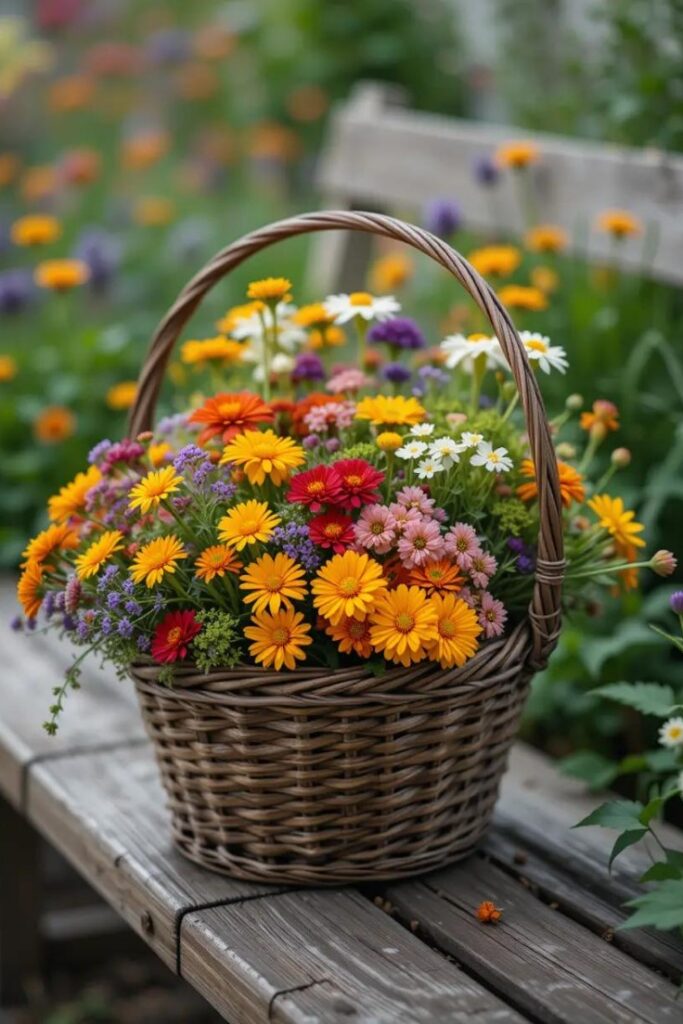
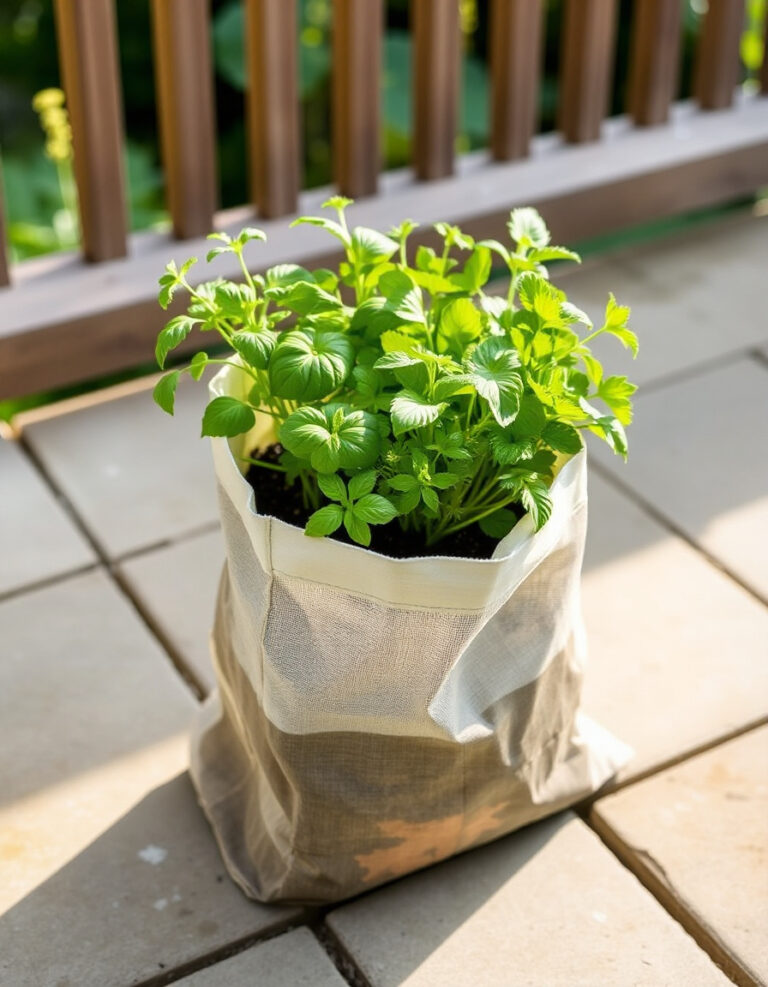
Some of the most attractive flowering plants are also edible. Nasturtiums, calendula, pansies, and borage all contribute visual interest to a bed while doubling as culinary ingredients. Herbs with ornamental flowers — chives, lavender, sage — blend naturally into this kind of planting.
It’s a useful and honest kind of garden.
16. Drought-Resistant Beds

Water-wise beds are worth considering even if you don’t live in an arid climate. Plants like yarrow, Russian sage, blanket flower, and lavender are naturally adapted to dry conditions and tend to thrive with minimal supplemental watering once they’re established.
A few design habits that help:
- Deep mulch (2 to 3 inches) slows moisture evaporation from the soil
- Group plants with similar water needs together
- Gravel or stone elements reduce the amount of planted surface area that needs moisture
17. Night-Blooming and Evening Beds
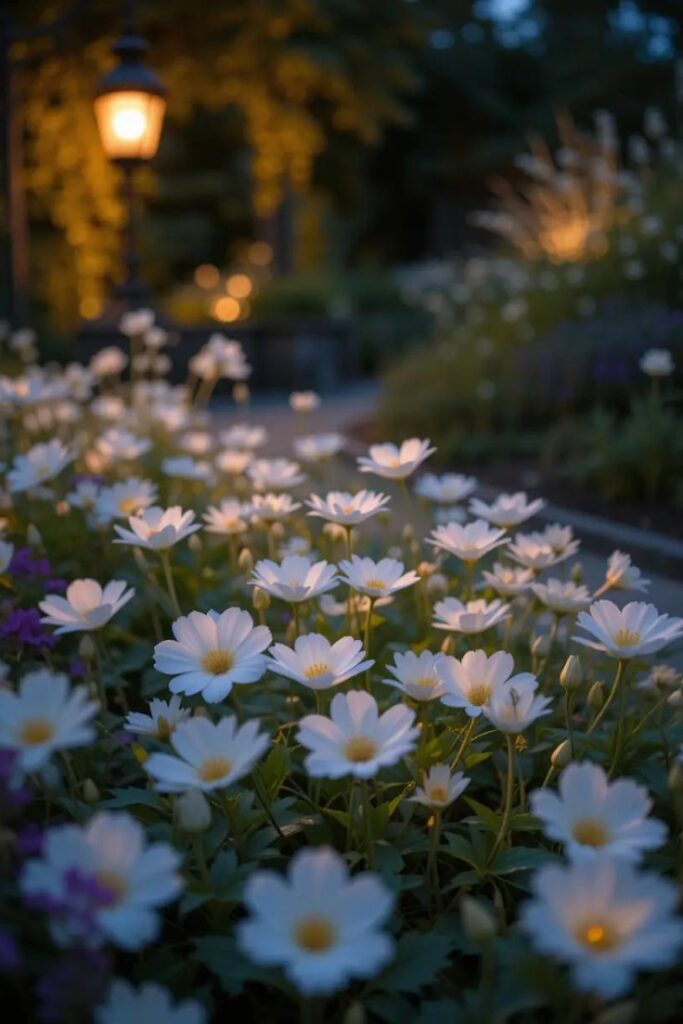
An evening garden leans on white-flowering plants that reflect low light, fragrant varieties that release their scent after sunset, and night-blooming species like moonflower and evening primrose. Positioned near a patio or outdoor seating area, this kind of bed extends how you use the garden well past golden hour.
Light-colored hardscaping — pale gravel, white stone edging — adds to the effect.
18. Medicinal Herb Beds

Echinacea, chamomile, calendula, and bee balm are all attractive flowering plants that have a long history of traditional use. A bed organized around these plants is as appealing visually as any ornamental border, with the added layer of meaning that comes from growing plants with purpose.
Small markers identifying each plant make these beds especially nice in a kitchen garden or teaching garden context.
19. Tropical-Inspired Beds

Bold foliage and vivid color are the calling cards of a tropical-style bed. Cannas, elephant ears, and hibiscus all contribute to that lush, layered look. In colder climates, some of these are treated as annuals or overwintered indoors — worth the effort if the look appeals to you.
The contrast between tropical-looking plants and a more traditional landscape can be striking in a good way.
20. Perennial Border Beds
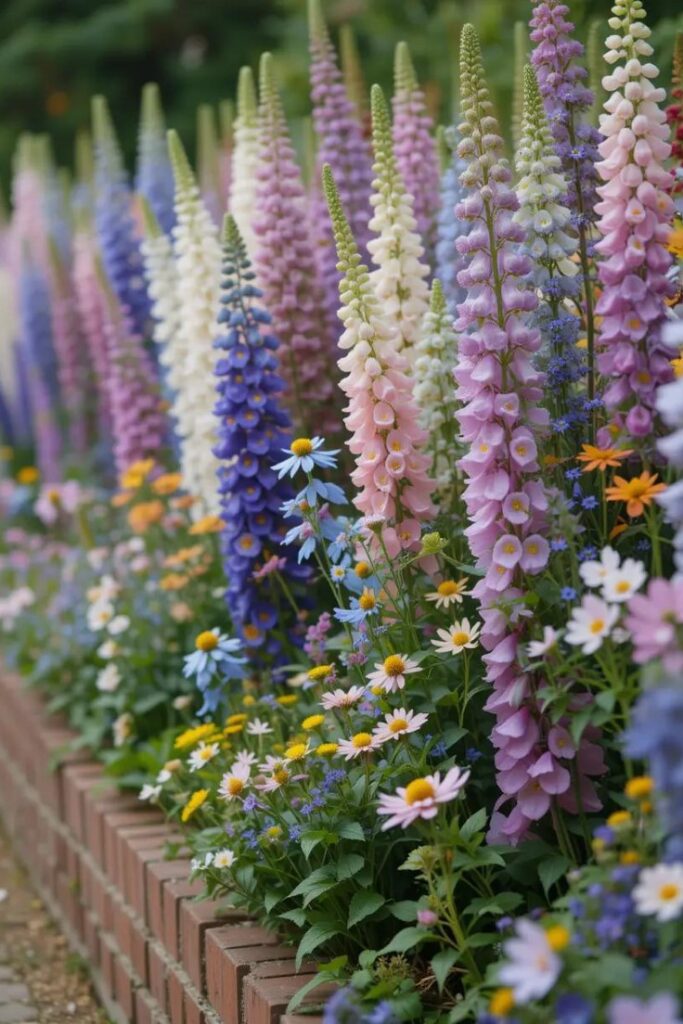
A well-planned perennial border is as close to a set-it-and-step-back flower bed as most gardens get. The key is selecting species with staggered bloom times so something is always coming into flower as something else fades.
Graduated heights — shortest plants at the front, tallest at the back — are a classic approach for a reason. It’s simple, it works, and it keeps every plant visible from the path.
21. Native Plant Beds
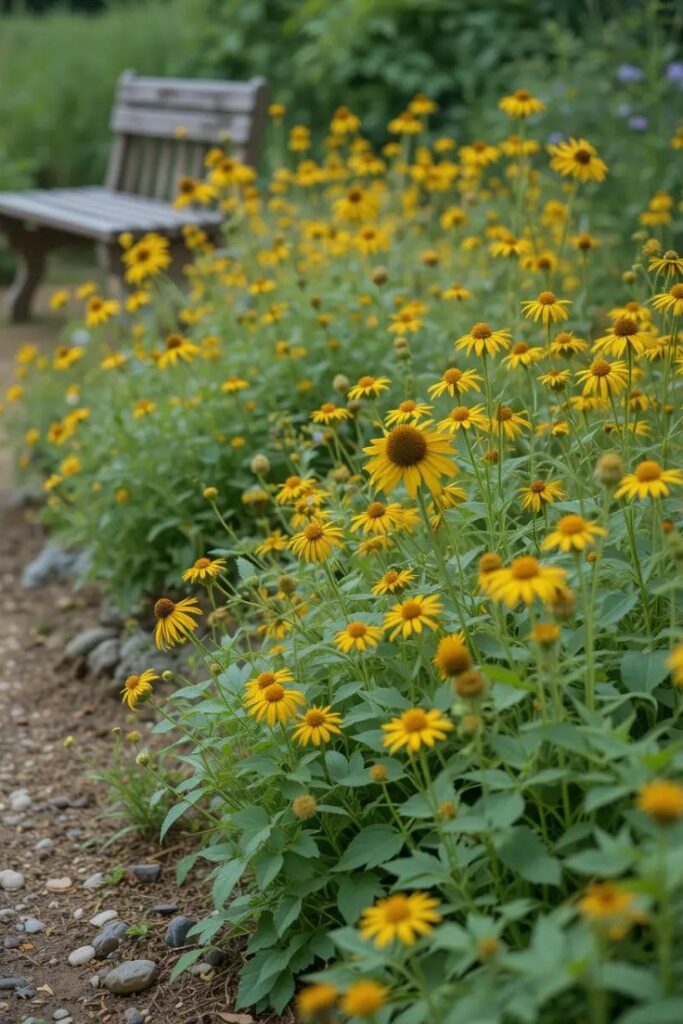
If there’s a flower bed idea that tends to reward patience more than any other, it’s a planting built around native species. Plants that evolved in your region are naturally adapted to local rainfall, soil, and temperature swings. Once established — usually after the first full growing season — they need very little intervention.
The added benefit is wildlife. Native plantings support local pollinators, birds, and beneficial insects in ways that hybrid ornamentals often don’t.
Check with a local native plant society or extension office for species specific to your region.
A Few Things to Keep in Mind
No flower bed idea works everywhere for everyone. Your hardiness zone, soil type, and how much sun your yard gets will all shape which of these ideas translate well to your specific space. Starting smaller than you think you need to is usually wise — a 10-foot border that’s well-maintained will look better than a sprawling bed that becomes overwhelming by midsummer.
Local nurseries and cooperative extension offices are genuinely useful resources. They know what grows reliably in your area, which is something no general plant list can fully replace.