8 Vegetables You Can Regrow from Kitchen Scraps at Home
Growing vegetables from kitchen scraps is a low-effort way to keep fresh greens and herbs on hand at home. Some scraps need nothing more than a shallow dish of water to get started. Others — like ginger and potatoes — will eventually need a pot and soil before they produce anything worth harvesting.
It’s worth being upfront: this won’t replace a grocery run. What it does is give you a small, steady supply of fresh produce from scraps you already have. A few snips of green onion here, a handful of basil leaves there — it’s a supplement to your kitchen, not a system.
If you’re new to it, green onions and romaine are good starting points. Both show results within a few days and need very little to get going. The rest of the list takes more time and, in some cases, a bit more effort — but the return is reasonable for what you’re putting in.
How to Regrow Vegetables from Kitchen Scraps: What You Need to Know First
The vegetables that regrow most reliably still have living tissue at their base—roots, a crown, or a node where new growth can emerge. Heading vegetables like romaine, celery, and bok choy tend to work well because their crowns hold active growing cells. Bulbs like garlic and green onion are built to push out new shoots naturally.
All you need for most of these is a shallow dish, a small glass of water, a windowsill with decent light, and a little patience. A few vegetables on this list will eventually do better in soil, but water is a fine starting point for nearly all of them.
8 Kitchen Scraps You Can Regrow at Home
1. Green Onions (Scallions)
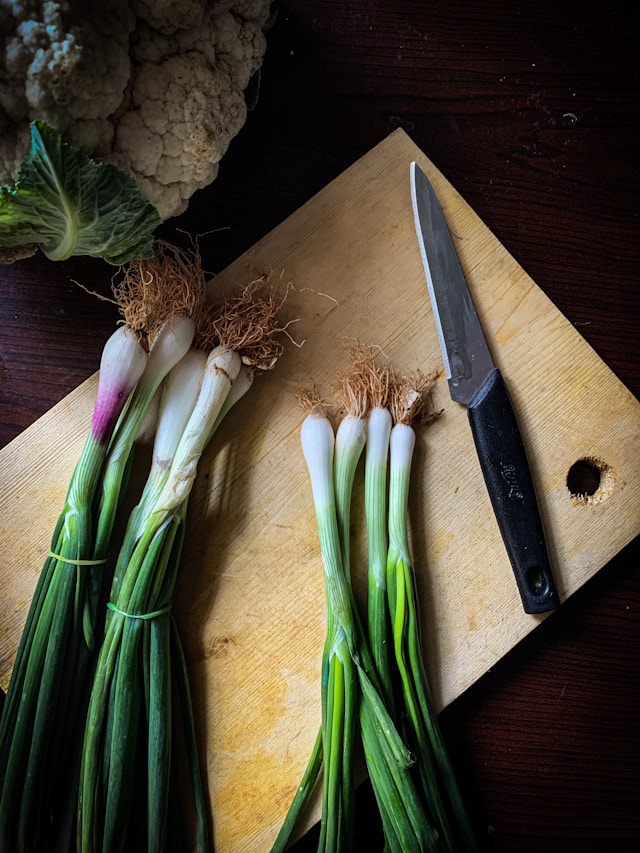
Green onions are a forgiving place to start. After using the green tops in your cooking, place the white root end in a small glass with about an inch of water. New shoots tend to appear within a couple of days. Change the water every few days, and snip the greens as needed—the plant will keep producing.
After a few water cycles, transplanting the roots into a small pot of soil will extend the plant’s life considerably and produce thicker growth.
2. Romaine Lettuce
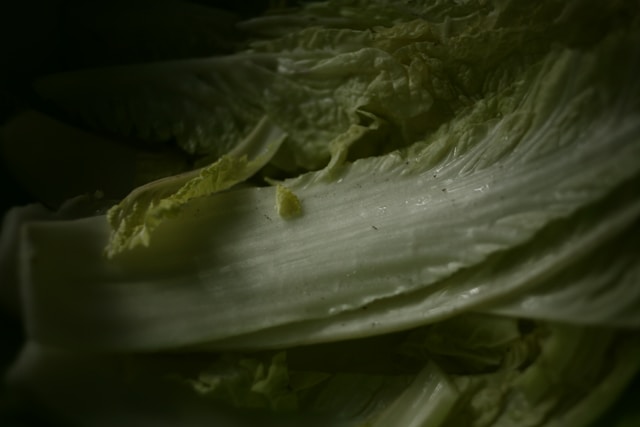
Save the bottom two inches of a romaine heart after harvesting the leaves. Set the base in a shallow dish with about half an inch of water in a spot that gets decent natural light. New leaves typically begin emerging from the center within a week.
Don’t expect a full head—the regrowth produces tender inner leaves that work well in salads or sandwiches. Keep the water level consistent; too much water can cause the base to rot before it has a chance to root.
3. Celery
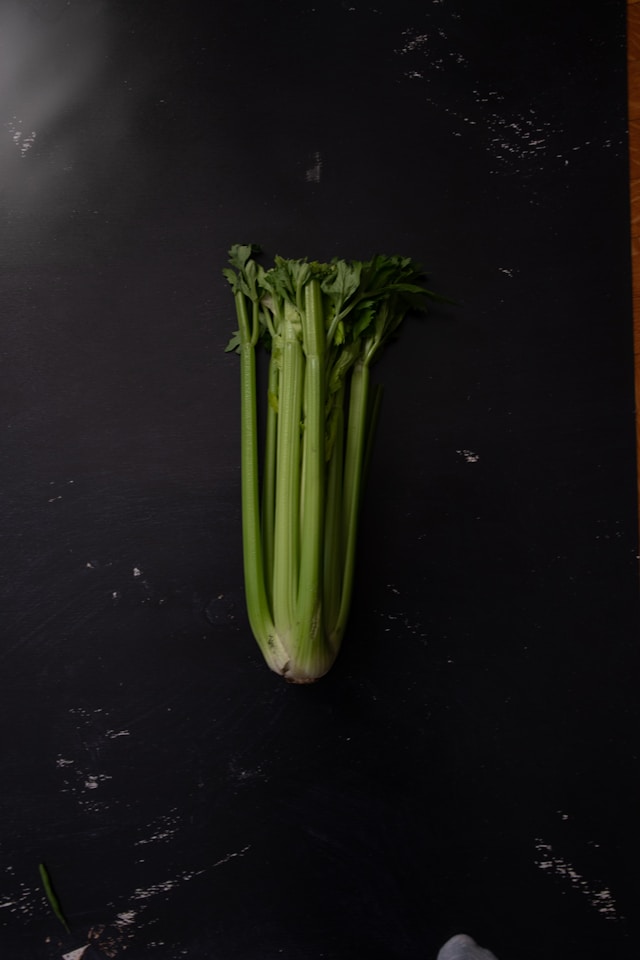
Celery regrows from its base in much the same way as romaine. Cut two inches from the bottom, place it in a shallow bowl of water, and set it somewhere with plenty of indirect light. Pale yellow-green leaves emerge first, eventually developing into harvestable stalks over several weeks.
Once roots appear, moving the base into soil will produce thicker, more flavorful growth than water alone.
4. Bok Choy
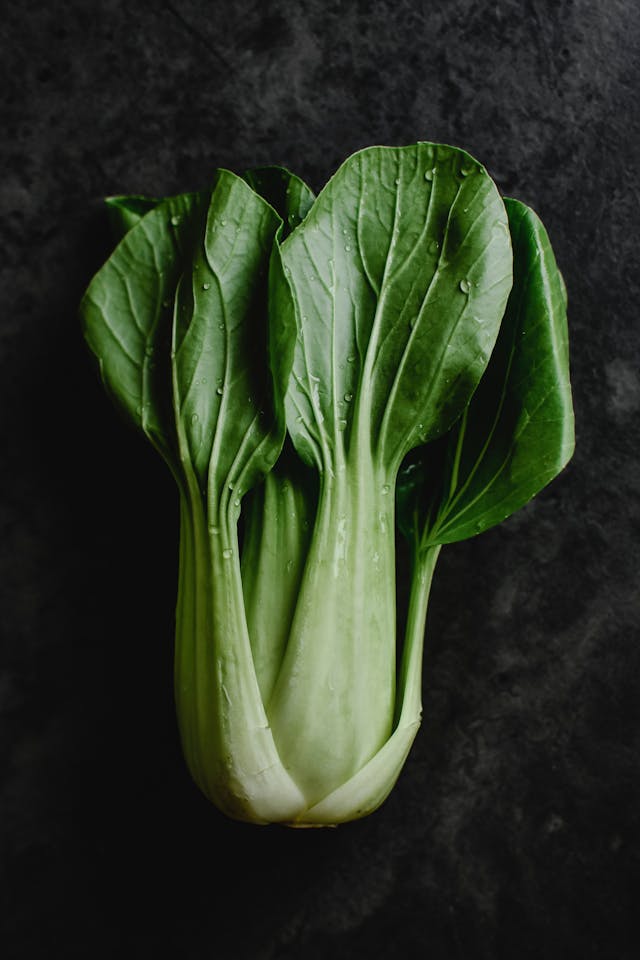
Bok choy is particularly cooperative when it comes to scrap regrowth. Leave an inch or two of the white stalks intact, set the base in a shallow dish of water, and new leaves tend to unfurl from the center fairly quickly. You can harvest baby leaves as they appear, or let the plant grow a bit more before cutting.
Bok choy likes consistent moisture. If you move it to soil, don’t let it dry out between waterings.
5. Garlic Sprouts
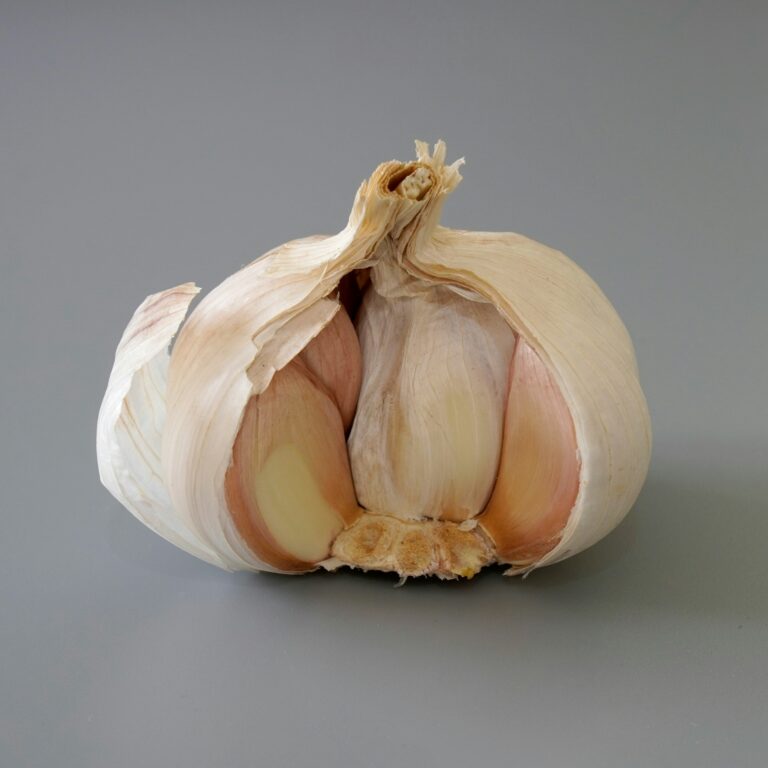
If you find a clove in your pantry that’s already sending up a small green shoot, it’s worth planting rather than tossing. Push it into a small pot of soil about an inch deep, sprout side up. Within a few weeks, you’ll have tender garlic greens with a mild, pleasant garlic flavor—useful in stir-fries, scrambled eggs, soups, or as a simple garnish.
You won’t be harvesting a full bulb anytime soon, but the greens are a solid return on something that was headed for the bin anyway.
6. Ginger Root

Ginger regrows well from a piece that still has visible growth buds—small, nub-like protrusions on the surface of the root. Plant the chunk in a pot with the buds facing upward, and keep it in indirect light. Ginger is slow-growing but does well as a long-term indoor plant, producing harvestable rhizomes after several months.
Keep the soil consistently moist but not waterlogged. Ginger tends to struggle when left sitting in soggy conditions.
7. Potatoes

Any potato that has developed eyes—the small sprout points on its surface—can grow into a new plant. Cut the potato into sections, each with at least two eyes, and let the cut surfaces dry out overnight before planting. Set them in soil with the eyes facing up.
As the stems develop, mounding additional soil around them—a practice called hilling—encourages more tuber formation underground and is worth doing if you want a meaningful harvest.
8. Basil
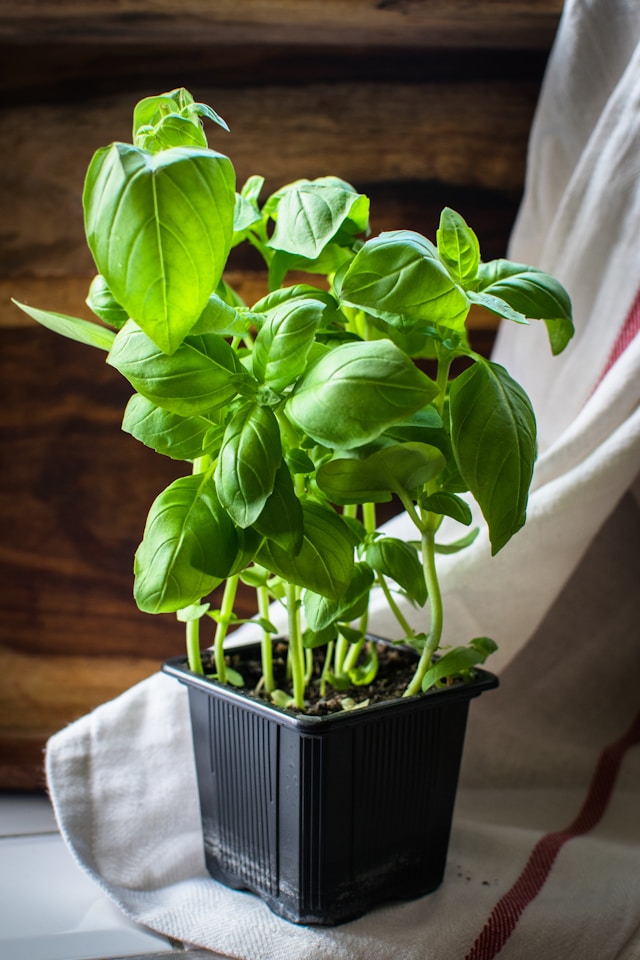
Take a four-inch cutting from a healthy basil stem, remove the lower leaves, and place it in a glass of water near a sunny window. Roots typically develop within a week or so. Once they reach a couple of inches in length, you can pot the cutting in soil or continue harvesting leaves while it stays in water indefinitely.
Pinching off any flower buds that form will keep the plant producing leaves rather than going to seed.
Tips for Getting Better Results with Kitchen Scrap Gardening
A few small habits make a noticeable difference in how well your scraps regrow:
- Change water every two to three days to prevent bacterial buildup and keep growth moving.
- Use a sunny windowsill — south- or east-facing windows tend to provide the most consistent light indoors.
- Transplant into soil once roots are established — water is a good starting medium, but soil provides the nutrients plants need for sustained growth.
- Start fresh — firm, recently cut scraps give you a much better chance of success than ones that have been sitting in the fridge for a week.
Is Kitchen Scrap Gardening Worth It?
For most home cooks, yes — with modest expectations. You’re not growing enough to meaningfully reduce your grocery bill, but you are keeping fresh herbs and greens within arm’s reach between shopping trips. Green onions and basil alone make the habit worthwhile for regular cooks.
The other value is less tangible: it’s a practical way to reduce food waste without much effort, and there’s something quietly satisfying about watching something root and grow from what was almost garbage. Start with green onions or romaine if you’re new to it — both tend to show results quickly — and expand from there once you get a feel for what works in your space.