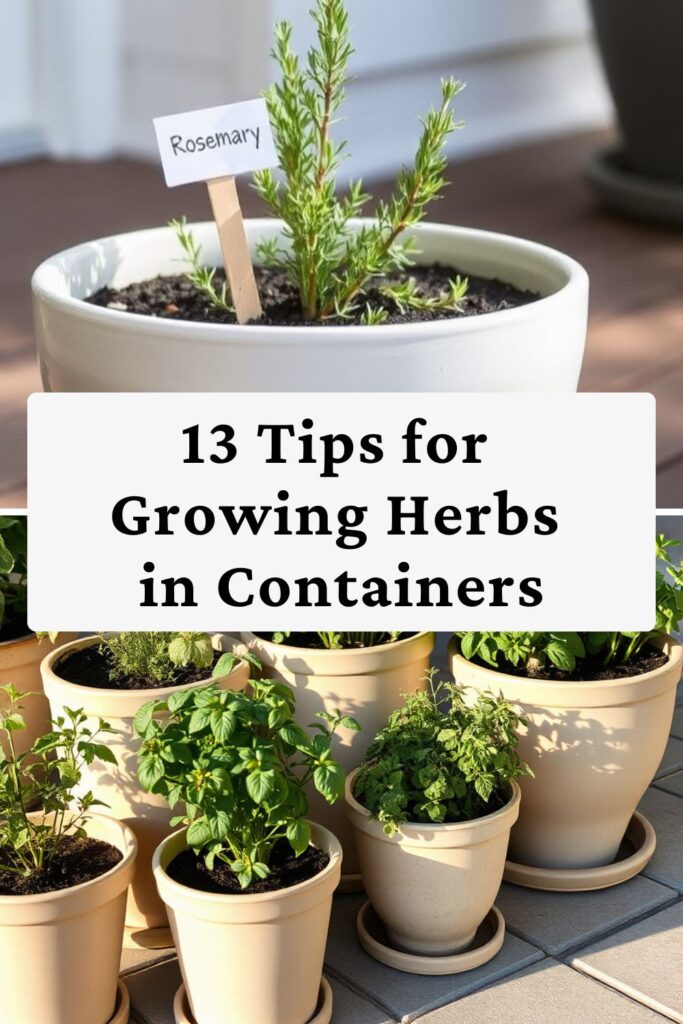
13 Tips for Growing Herbs in Containers
Container herb gardening works well for a range of situations — limited outdoor space, poor ground soil, or simply wanting fresh herbs close to the kitchen.
Growing herbs in pots gives you more control over soil quality, drainage, and positioning than an in-ground bed typically allows. These tips cover what actually matters when setting up and maintaining a container herb garden.
1. Match the Container Size to the Herb
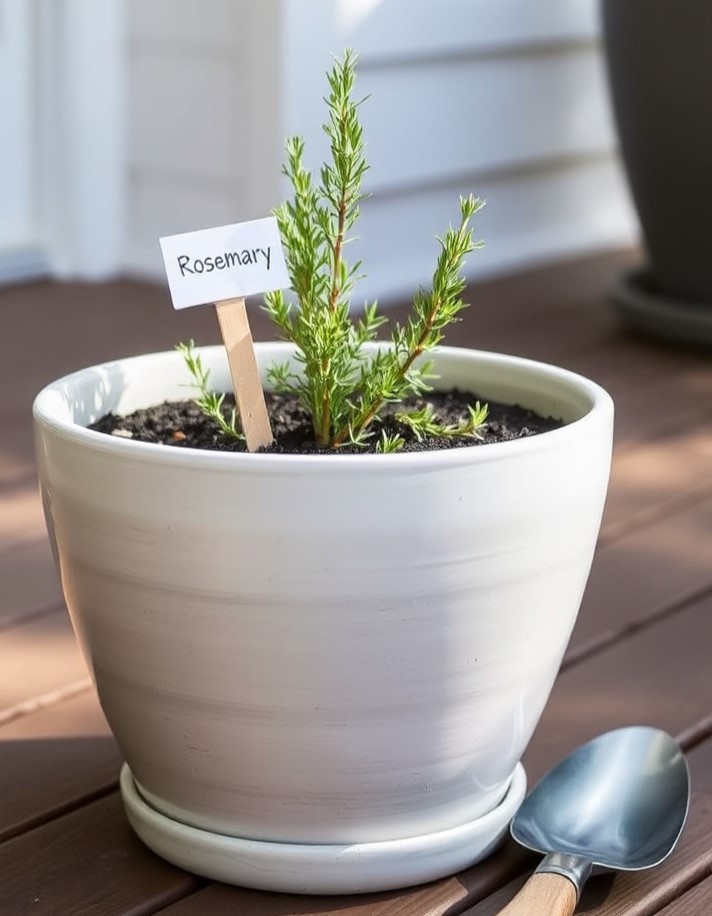
Container depth affects how well roots develop. Shallow-rooted herbs like oregano and thyme can manage in containers around 6 inches deep. Deeper-rooted herbs like rosemary and sage generally do better with 12 to 18 inches of depth. Width matters as well — leaving 4 to 6 inches between plants helps prevent overcrowding as they fill in.
2. Make Sure Every Container Has Drainage
Waterlogged soil leads to root rot, which is one of the more common reasons container herbs fail. Every pot needs drainage holes at the bottom. If your container doesn’t have them, drilling several half-inch holes is straightforward. Adding a layer of gravel or broken pottery at the base can help with drainage in deeper containers.
3. Use a Potting Mix, Not Garden Soil
Garden soil compacts in containers, which restricts root growth and slows drainage. A quality potting mix designed for containers handles both issues better. Look for mixes that include perlite, vermiculite, or bark chips. Mixes with moisture-retaining crystals are generally not a good fit for herbs, since most prefer conditions that dry out slightly between waterings.
Also Read: 8 Vegetables You Can Regrow from Kitchen Scraps at Home
4. Understand How Much Light Each Herb Needs
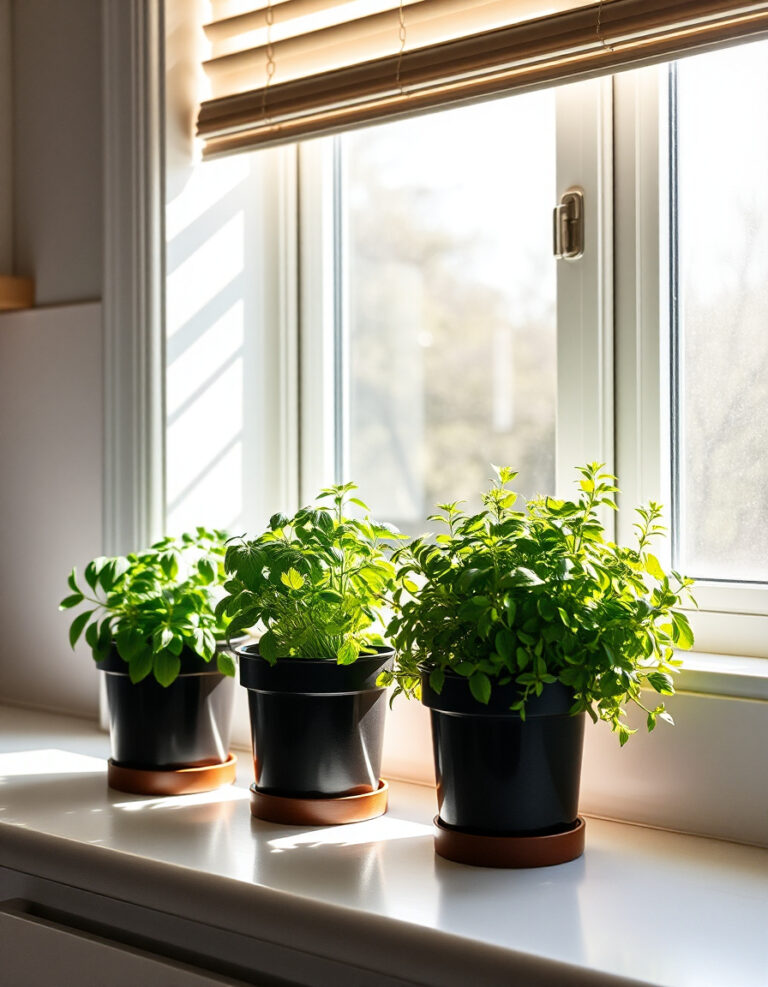
Most culinary herbs do well with 4 to 6 hours of direct sunlight daily. South-facing windows or patios tend to offer the most consistent light indoors. If natural light is limited, grow lights placed 6 to 12 inches above the plants and left on for 12 to 14 hours can fill the gap reasonably well.
5. Water Based on Soil Moisture, Not a Schedule
Container soil dries out faster than garden beds, particularly in warm weather. Check the top inch of soil — if it feels dry, it’s time to water. Water thoroughly until it drains from the bottom, then let the excess drain completely before the pot sits again. Watering in the morning gives plants time to absorb moisture before temperatures rise.
6. Plant at the Right Depth and Give Plants Room
Set seedlings at the same depth they were growing in their nursery containers. Spacing depends on the herb — basil tends to need around 12 inches between plants, while smaller herbs like thyme can sit closer at around 6 inches. After planting, a week in a partially shaded spot can help reduce transplant stress before moving them to full sun.
Also Read: How to Use Fabric Grocery Bags as Planters (Step-by-Step)
7. Feed Container Herbs Regularly
Nutrients wash out of container soil with regular watering, so herbs in pots need more consistent feeding than those grown in the ground. A diluted liquid fertilizer applied every two to three weeks during the growing season is a reasonable approach. Using it at half the recommended strength reduces the risk of over-fertilizing, which can affect flavor and essential oil production.
8. Harvest Frequently and Correctly
Regular harvesting encourages new growth and helps keep plants from becoming woody over time. Morning is a good time to harvest — after the dew has dried but before the heat of the day sets in. Removing no more than one-third of the plant at a time and cutting just above a leaf node tends to produce the most consistent regrowth.
9. Protect Roots from Temperature Swings
Containers heat up and cool down faster than garden beds, which can stress roots. Light-colored containers reflect heat and keep soil temperatures more stable in warm weather. Nesting a pot inside a larger decorative container adds a layer of insulation. Grouping containers together can also create a slightly more humid microclimate on hot days.

10. Watch for Signs of Disease
Good air circulation goes a long way toward preventing fungal issues — space containers so they’re not crowded, and avoid watering overhead in a way that keeps foliage wet for extended periods. Yellowing leaves, powdery residue on foliage, or soft rotting stems are early signs worth paying attention to. Removing affected leaves as soon as you notice them tends to limit how far a problem spreads.
11. Plan Ahead for Seasonal Changes
Tender herbs like basil and cilantro won’t survive frost and need to come indoors or be replaced as temperatures drop.
Hardy herbs like rosemary and thyme can overwinter outdoors in many climates without much intervention. When moving plants indoors, giving them 7 to 10 days to gradually adjust to indoor conditions tends to reduce shock compared to an abrupt transition.
Also Read: Garden Tools to Keep on a Wall Organizer for Shed and Garage Storage
12. Use Vertical Space When You’re Working with a Small Area
Tiered plant stands, hanging baskets, and wall-mounted planters can meaningfully increase how many herbs you’re growing without taking up more floor space. Trailing herbs like oregano and thyme suit hanging containers well. Upright herbs like basil and parsley are generally a better fit for standard pots.
13. Group Herbs with Similar Needs Together
Herbs with compatible water and light requirements can share containers without much conflict. Mediterranean herbs — rosemary, thyme, oregano — prefer drier conditions and tend to do well together. Moisture-loving herbs like basil, cilantro, and parsley are better grouped separately. Keeping similar herbs together simplifies care and reduces the chance of one plant suffering because its needs differ from its neighbors.
Questions & Answers
Which herbs grow well in containers? Basil, parsley, cilantro, mint, oregano, thyme, rosemary, and sage are reliable choices. They adapt reasonably well to container conditions and produce consistent harvests through the growing season. These are practical starting points before moving on to less common varieties.
How often should container herbs be watered? Check the top inch of soil rather than following a set schedule. In summer, that often means watering every two to three days, though container size, plant size, and weather all play a role. In cooler months, the interval stretches longer.
Can herbs grow indoors year-round? Many can, given enough light and proper care. A south-facing window helps considerably. If natural light is limited, a grow light is worth considering. Indoor herbs generally need less water and fertilizer than outdoor ones due to lower light levels and more stable temperatures.
What container size do herbs need? Most herbs need at least 6 to 8 inches of depth. Larger herbs like rosemary need closer to 12 to 18 inches. Width should accommodate mature plant size — small herbs can sit 4 to 6 inches apart, while larger ones like basil need 8 to 12 inches of space.
Why are my herbs growing leggy? Legginess is usually a light issue. Insufficient light causes plants to stretch toward whatever source is available, producing weak, elongated growth. Regular harvesting and pinching off flower buds as they appear also helps maintain a bushier shape.
When is the right time to harvest container herbs? Morning, after dew has dried but before midday heat, tends to work well. Most herbs can be harvested once they reach 4 to 6 inches tall. Cutting just above a leaf node and leaving at least two-thirds of the plant intact each time encourages steady regrowth.
Do container herbs need fertilizer? They do. Nutrients deplete faster in containers than in garden beds because watering flushes them out over time. A diluted liquid fertilizer every two to three weeks during active growth is a practical approach. Half-strength is generally sufficient and reduces the risk of over-feeding.